
Spain’s Most Famous Film Locations for Movie Lovers
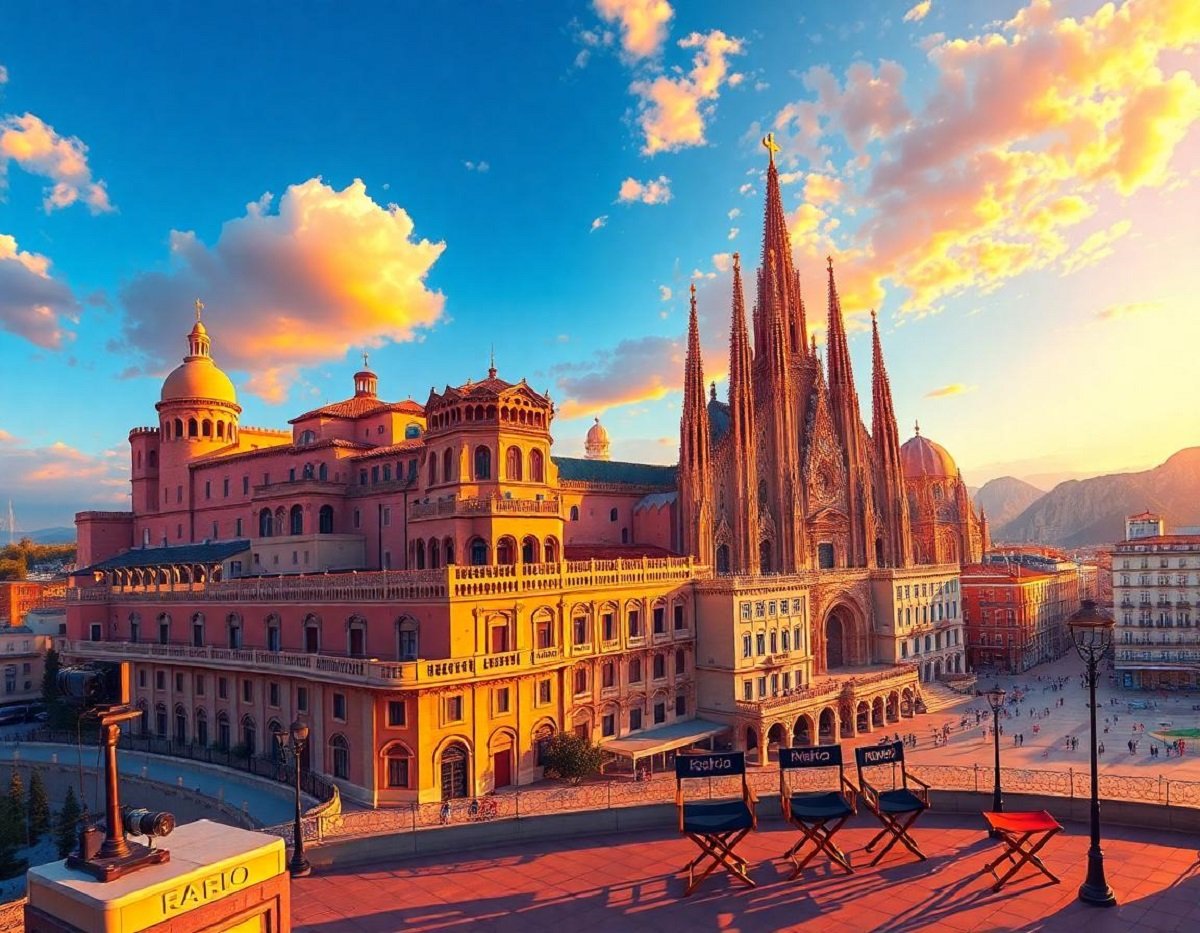
Spain’s Most Famous Film Locations Every Movie Lover Should Visit [2025]
Spain attracts movie lovers from every corner of the world. Its bold scenery, historic towns and sunny coastlines have appeared in some of cinema’s most iconic scenes. Directors keep coming back for the unique mix of old and new, from medieval castles to vibrant cities.
Whether you’re chasing the footsteps of your favorite hero or looking to snap that famous backdrop, Spain offers settings you’ll recognize from screen legends. Visiting these spots brings your best-loved movies to life, letting you experience the places that helped shape global film history.
Game of Thrones: Dramatic Spanish Locations
Spain’s timeless buildings and one-of-a-kind coasts created some of the most memorable scenes in Game of Thrones. For fans, these places are more than TV backdrops. They capture a sense of magic and adventure you can reach out and touch. If you want to walk the lands of Westeros, set your sights on these standout Spanish spots that made epic moments possible.
Alcázar of Seville as the Water Gardens of Dorne
Wander the vivid halls and lush gardens of the Alcázar of Seville and you’ll feel like you’ve stepped right into the world of House Martell. This palace became the show’s Water Gardens of Dorne. Its carved arches and sparkling pools formed the private retreat for Dornish royalty.
- The Ambassadors’ Hall, Mercury’s Pool, and the Baths of Maria de Padilla all appeared in the series.
- The real Alcázar is alive with Moorish detail—think tiled courtyards and gardens heavy with the scent of orange blossoms.
This is not only a treat for fans but also a living piece of Spanish history. Learn more about the palace’s starring role in Game of Thrones on this detailed guide about the Alcázar of Seville as the Water Gardens.
Castillo de Zafra, Guadalajara as the Tower of Joy
Game of Thrones’ most important secret unfolded at the windswept Tower of Joy. Filmed at Castillo de Zafra, this remote fortress sits atop a rugged rock outcrop in Guadalajara. With no nearby towns and panoramic views, it creates a haunting sense of mystery and drama.
- Built in the 12th century, the castle’s isolation made it a spot no one would forget.
- The Tower of Joy’s iconic flashback revealed secrets that changed the course of the series.
For anyone drawn to dramatic ruins or hidden stories, Castillo de Zafra is a road trip worth planning. Discover more about its history and film connection at the Castillo de Zafra guide.
Gaztelugatxe, Basque Country as Dragonstone
 Photo by Enrique
Perched above the wild Bay of Biscay, the islet of Gaztelugatxe set the perfect scene for Daenerys Targaryen’s return to Dragonstone. The real location features a zigzagging stone bridge and over 200 steps leading to a tiny chapel at the top.
- The walk itself feels like something out of an epic quest, with views across crashing waves and coastal cliffs.
- Fans will recognize the winding path from sweeping showdowns and tense meetings in season seven.
Learn more about how Gaztelugatxe was transformed into Dragonstone with this in-depth travel piece on visiting Gaztelugatxe as Dragonstone.
Blockbuster Films Set in Iconic Spanish Landscapes
Spain’s cinematic side shines brightest when major movies showcase its grand plazas, wild deserts and artful city parks. These settings aren’t just pretty backdrops—they capture your imagination and make you part of the magic. If you want to walk through a real-life movie moment, start with these legendary Spanish locations, each forever tied to box office hits and unforgettable characters.
Plaza de España (Star Wars: Attack of the Clones)
 Photo by Manuel Muñoz
Seville’s Plaza de España is a showpiece of 20th-century architecture, built for the 1929 Ibero-American Exhibition. Yet for Star Wars fans, it’s instantly recognizable as the elegant city of Theed on Naboo, seen when Anakin and Padmé stroll its tiled paths and sweeping staircases in “Attack of the Clones.”
- The horseshoe-shaped plaza, grand bridges and tranquil canals make the real location feel just as magical as it did in the film.
- Even if you’re not a Jedi, you’ll want to snap photos on the famous bridges, exploring the site where Hollywood met Spain’s proudest square.
To discover more about its transformation into Naboo, check out this detailed guide from Wookieepedia on Plaza de España’s Star Wars role.
Tabernas Desert (The Good, the Bad and the Ugly)
When people talk about Western movies, they think of tumbleweeds and dusty plains. But did you know some of the most famous scenes were shot far from America? The Tabernas Desert in southern Spain starred as the setting for the final showdown in “The Good, the Bad and the Ugly.”
- The area boasts rolling hills, dry riverbeds and golden light—perfect for capturing those tense standoffs and long, silent walks.
- Several old sets are still standing, letting visitors step right onto the cinematic “Wild West” of Europe.
If you’re chasing the tracks of Clint Eastwood or interested in “Spaghetti Western” history, read this list of key filming spots at Tabernas from Spanish Highs’ guide to Spaghetti Western locations.
Barcelona’s Park Güell (Vicky Cristina Barcelona)
Park Güell is one of Antoni Gaudí’s masterpieces—a whimsical city park with colorful tiles, curving benches and sweeping city views. It played a starring role in Woody Allen’s “Vicky Cristina Barcelona,” adding a dreamlike touch to the film’s romantic vibe.
- The park’s mosaic dragon staircase and playful shapes create a sense of wonder that perfectly matches the film’s mood.
- Walking through Park Güell, you can imagine Scarlett Johansson and Javier Bardem exploring its corners, art blending with life at every turn.
For a sightseeing plan that matches key moments from the movie, check this in-depth guide to Park Güell’s scenes from Almost Ginger’s Vicky Cristina Barcelona filming locations.
Spanish Cities Shining in International Cinema
If you love movies, there’s something magical about standing on a street corner and knowing you’ve seen it on the big screen. Spanish cities, with their blend of beauty and character, have become star performers in international film. From adrenaline-fueled thrillers to art-house masterpieces, Madrid and Barcelona bring a cinematic touch to everyday life.
Madrid in The Bourne Ultimatum and Pain and Glory
Madrid pulses with film energy, from its lively plazas to narrow alleys. “The Bourne Ultimatum” placed Jason Bourne in the city’s busy heart, using real locations like Puerta del Sol for intense chase scenes. Madrid’s winding streets added suspense and a sense of realism, making viewers feel right in the middle of the action.
- Puerta del Sol and Atocha Station became recognizable stops for fans retracing Bourne’s footsteps.
- The mix of old-world architecture with modern hustle makes every frame pop.
Switch gears to “Pain and Glory” by Pedro Almodóvar, and you see a more introspective Madrid. The film uses the city’s softer side, showing cozy apartments and peaceful parks. Almodóvar’s camera captures Madrid not just as a backdrop, but as part of the story—rich in memory and emotion.
- Fans can spot real neighborhoods that echo the director’s own history and style.
- The city’s creative core shines through movie settings, from art studios to intimate cafés.
For a deeper look at these and other iconic movies shot in Madrid, check out this list of movies filmed in Madrid and a handy guide to top movies set in Madrid.
Barcelona in Biutiful and Perfume: The Story of a Murderer
Barcelona has flair. It’s no surprise the city has captured the lens of some of the world’s boldest filmmakers. Alejandro González Iñárritu’s “Biutiful” brings out the raw, unfiltered life of Barcelona’s edges, far from tourist crowds. Streets buzz with daily life, and the film’s gritty emotional tone matches the city’s complex identity.
- You’ll see real Barcelona neighborhoods, day workers, markets and cozy bars that give the movie its authenticity.
- It’s a portrait of the city’s multicultural side—with glimpses you’d miss outside the movies.
Then there’s “Perfume: The Story of a Murderer.” Directors transformed Barcelona’s Gothic Quarter and the Horta Labyrinth Park into 18th-century France. The city’s narrow streets, timeworn walls and shadowy plazas take on a haunting beauty, blending old Europe with a story both mysterious and alluring.
- The Laberint d’Horta park features in the film’s chase scenes, lending a dreamlike atmosphere.
- For movie buffs, strolling the Gothic Quarter feels like stepping onto a film set frozen in time.
Discover more about Barcelona’s prominent film roles with this detailed guide to movies filmed in Barcelona and a list of top movies and TV series set in Barcelona. For those wanting to visit the actual spots, Barcelona’s official travel page shares key film sets and their locations.
Unique Spanish Backdrops in Acclaimed National Films
Spain’s film DNA is rich with unforgettable settings that offer more than just good looks. Some of the most praised national films pick remote stretches of coast or ancient monuments as their visual anchor. You’ll recognize these backdrops in globally renowned movies, where location becomes another character. Let’s look at a few that movie fans should know.
Cabo de Gata in Talk to Her
 Photo by Hardeep Singh
Pedro Almodóvar’s “Talk to Her” (“Hable con Ella”) is grounded by its use of Spain’s raw southern coast. The haunting beauty of Cabo de Gata-Níjar Natural Park makes a striking impression early in the film—wide sandy beaches, volcanic cliffs and a light that almost glows. This landscape underlines moments of solitude and intimacy, matching the film’s tone with wind-whipped, empty shores.
Cabo de Gata isn’t just another beach. It’s a protected natural park, famous for its rugged coastline, wild cacti, and salt flats that blush pink at dawn. The area’s stark silence and minimalism echo Almodóvar’s focus on emotion and memory.
If you love to see movie locations in real life, Cabo de Gata is easy to reach and remains largely untouched. Its cinematic appeal has pulled in directors from all over the world, but for many Spaniards, “Talk to Her” sealed its place in local film history. Learn more in the Cabo de Gata Natural Park Guide or read about the park’s protected status and natural features in this Wikipedia entry on Cabo de Gata-Níjar Natural Park.
Segovia Aqueduct in The Others
The ancient Aqueduct of Segovia is one of Spain’s grandest Roman relics, but it usually appears in travel books, not in ghost stories. Alejandro Amenábar’s acclaimed film “The Others” briefly lands in Segovia, featuring the aqueduct’s dramatic arches as a symbol of endurance and mystery. Its monumental form and the lingering sense of history lend weight to the atmosphere as the story unfolds.
This massive structure cuts across the old town, built without mortar, and draws your eye right away. As a filming location, it brings a sense of grandeur and age to any scene, making even a fleeting appearance memorable.
- Two tiers of granite arches stretch more than 800 meters through the heart of Segovia.
- The aqueduct has stood since the first century AD—a work of Roman practical genius and beauty.
Want to see the actual monument from the film? Read more about the Roman marvel in this UNESCO summary of Segovia and its aqueduct or take in the history of the Aqueduct of Segovia.
These iconic backdrops prove that Spain’s scenery does more than fill the frame. Great directors use them to set tone, build atmosphere, and turn settings into unforgettable parts of the story.
Planning Your Cinematic Spain Tour
Movie fans can turn a Spain vacation into a one-of-a-kind film adventure with just a bit of planning. The country’s filming locations stretch from the sun-blasted wilds of Andalucía to the bustling streets of Madrid and Barcelona. Whether you crave “Game of Thrones” castles or daydream of standing in the heart of a “Star Wars” set, you have plenty of options. Setting up your trip is easy once you know where to start, how to get around, and what to look for.
Picking Your Must-See Film Spots
First, make a list of the movies or shows that matter most to you. Are you chasing giant blockbusters or prefer hidden gems from Spanish cinema? Once you know your favorites, it’s easier to map out your journey.
- Highlight top sites: Some spots, like Seville’s Alcázar or the Tabernas Desert, are legendary and easy to visit.
- Mix famous and lesser-known: Don’t overlook lesser-celebrated sets like coastal villages or Roman ruins seen in art-house classics.
- Check filming guides regularly: Some places earn new fame as film tourism grows. Travel pages like Spain’s Official Tourism Board offer current suggestions for top sites.
Planning Your Route: Big City Hubs and Offbeat Stops
Spain is well-connected, so you can plan a trip that links film hotspots in the same region.
- Use bigger cities (Madrid, Seville, Barcelona) as travel bases. From there, add side trips to more remote locations like the Tabernas Desert or coastal parks.
- Spain’s train network (Renfe) covers most cities, while car rentals are perfect for rural or less-accessible shoots.
- Ferries and local buses offer more relaxed options for scenic spots by the coast. For some tips and sample itineraries, see the advice on how to visit film locations around Spain.
Travel Tips for Visiting Film Locations
A little bit of advice goes a long way in making your cinematic trip smooth and fun:
- Best seasons: Spring and fall are less crowded and offer mild weather. Summer can be very hot and busy, especially in the south.
- Tour timing: Visit early in the day or late afternoon for better light and fewer people in your photos.
- Local customs: Respect private property and always check if photography is allowed, especially at working historical sites.
If you’re aiming for a deeper experience, several companies run movie location tours. Guided walks in places like Seville or Girona help bring cinematic history alive. Many routes are family-friendly and often include trivia and behind-the-scenes stories. Here’s a handpicked list of top-rated movie and TV tours in Spain if you want expert guidance.
Joining a Guided Movie Tour
Guided tours add extra color and stories you won’t find on your own.
- Some focus on a single series or film, like “Game of Thrones” tours in Girona or Peñíscola.
- Others combine several locations with history and film insider tidbits.
- Many include fun props, video clips, or even costumes for group photos.
- Check reviews and reserve in advance—these tours often fill up fast.
Packing for a Film-Friendly Adventure
Before you go, add a few must-haves to your bag:
- Comfortable shoes: You’ll walk a lot, sometimes over cobblestones or rocky trails.
- Power bank: Keep your phone charged for snaps and navigation.
- Notebook or app: Jot down which scenes you find, plus tips for fellow movie buffs later.
- Layered clothing: Spanish weather can shift quickly, especially by the coast or mountains.
 Photo by Miguel Rivera
Final Thoughts for Movie Lovers
Planning your cinematic journey lets you get more out of each stop, whether you’re snapping photos at iconic sites or exploring new corners of Spain you spotted in a favorite film. From organized tours to DIY adventures, you’ll collect memories to rival your top movie moments—and maybe inspire your next big-screen obsession. For fresh ideas and planning tools, check out updated guides like discovering Spain through film settings.
Conclusion
Spain’s film locations invite you beyond the screen, letting you see, touch and walk through the scenes that shaped your favorite movies. From the timeless arches of Segovia to the wild coast at Cabo de Gata, these spots offer real-world magic you won’t find anywhere else.
Each destination on this list brings film history to life. If you love movies, plan a visit and watch familiar places take on new meaning. Share your experiences and favorite film sites—the next adventure is only a scene away.
Thanks for reading. Ready to write your own cinematic story in Spain?