European News Channels | How Credibility Shapes Viewer Loyalty
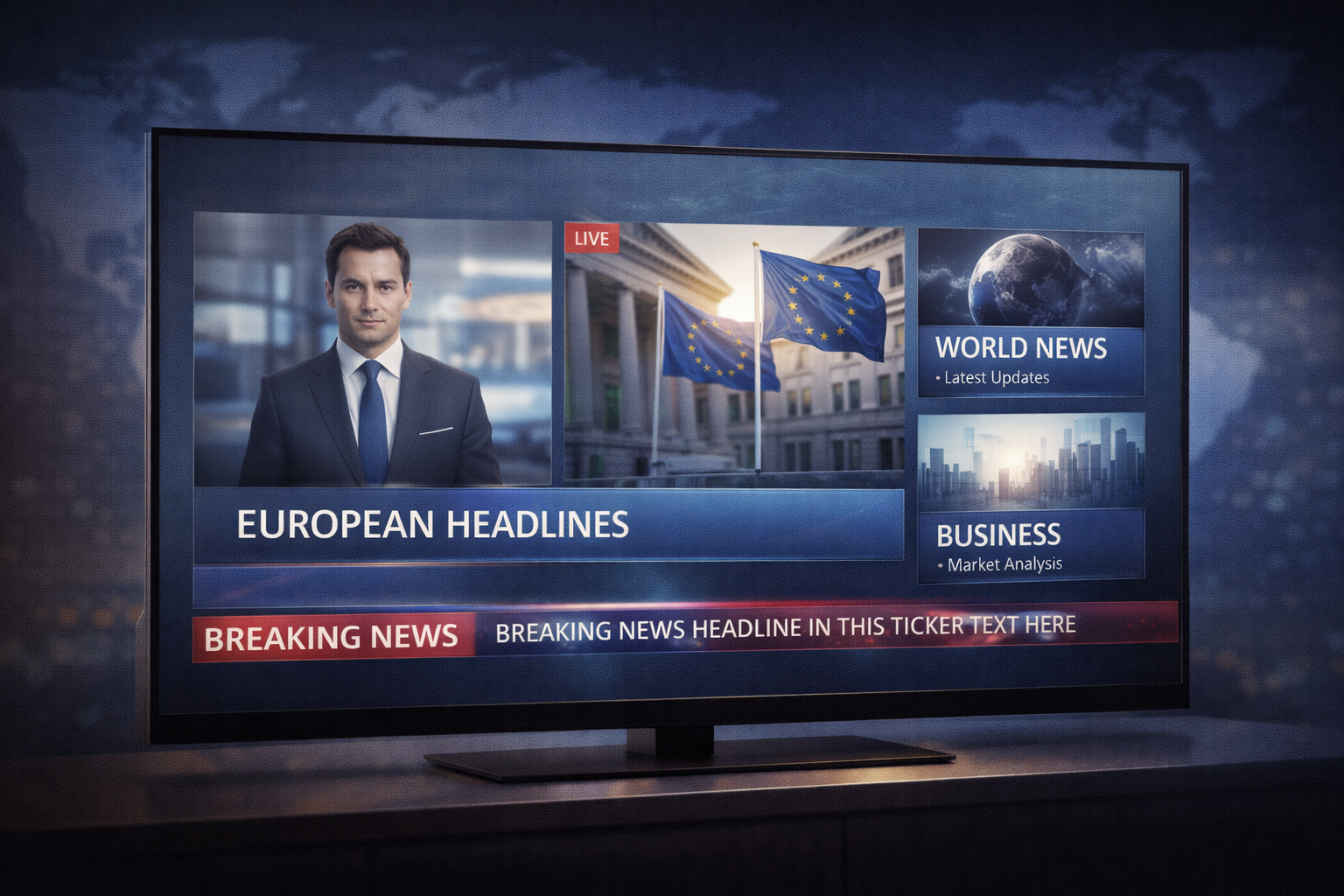
Estimated reading time: 15–21 minutes
In a time when news travels faster than ever, trust has become harder to earn. European news channels operate in an environment filled with constant updates, social media reactions, and endless commentary. Yet despite this noise, many viewers continue to return to the same television news channels day after day.
This loyalty is not accidental. It is built on credibility. This article explores how European news channels shape long-term viewer loyalty, why credibility matters more than speed, and how trust continues to define news consumption in Europe in 2026.
Table of Contents
- What credibility means in television news
- Why viewers stay loyal to news channels
- Routine viewing and emotional trust
- Speed versus accuracy in modern news
- How presentation style affects trust
- The role of editorial standards
- Predictability as a comfort factor
- Why TV news feels different from social media
- Credibility during crisis moments
- Generational patterns in news loyalty
- Why credibility sustains long-term relevance
- Challenges facing European news channels
- Reality Check
- Final Verdict
- FAQ
What credibility means in television news
Credibility in television news is not about being first. It is about being reliable. Viewers judge credibility through consistency, tone, and long-term behavior.
European news channels often build credibility by:
- clearly separating facts from opinion
- maintaining consistent editorial standards
- acknowledging uncertainty when information is incomplete
This approach may feel slower, but it strengthens trust over time.
Why viewers stay loyal to news channels
Viewer loyalty is rarely driven by excitement. It is driven by familiarity. When viewers find a channel they trust, they reduce the mental effort of constantly evaluating sources.
Loyalty offers comfort. It creates a sense of stability in an otherwise unpredictable news environment. For many Europeans, loyalty is not ideological. It is practical.
Routine viewing and emotional trust
Television news is often consumed as part of a daily routine. Morning bulletins, evening summaries, and scheduled updates become anchors in the day.
Over time, these routines build emotional trust. Viewers associate certain channels with reliability, not because of single reports, but because of years of consistent presence.
Speed versus accuracy in modern news
Modern media rewards speed. Social platforms encourage instant reactions. Television news channels often resist this pressure.
European broadcasters frequently prioritize verification over immediacy. They may delay coverage slightly to ensure accuracy. For loyal viewers, this restraint reinforces credibility.
Being careful signals responsibility. And responsibility builds trust.
How presentation style affects trust
Trust is influenced not only by content, but by how that content is presented. Tone, language, and pacing matter.
European news channels often use:
- measured language
- calm delivery
- structured formats
This style reduces emotional overload and helps viewers feel informed rather than overwhelmed.
The role of editorial standards
Editorial standards function as invisible guidelines. Viewers may not know the details, but they sense when standards exist.
Clear corrections, transparent sourcing, and internal accountability all contribute to long-term credibility.
When mistakes occur, how a channel responds matters more than the mistake itself.
Predictability as a comfort factor
Predictability is often misunderstood as boring. In news consumption, predictability provides safety.
Viewers know what kind of coverage to expect, what tone will be used, and how stories will be framed. This consistency reduces uncertainty and builds loyalty.
Why TV news feels different from social media
Social media offers immediacy but little structure. Television news offers structure but less immediacy.
Many viewers use social media for awareness, but turn to television for confirmation. TV news feels slower, but also more grounded.
This contrast explains why television remains a reference point.
Credibility during crisis moments
During crises, credibility becomes critical. Viewers seek clarity, not speculation.
European news channels often become primary sources during emergencies, elections, or major events. Their structured approach provides reassurance when information is uncertain.
Generational patterns in news loyalty
Older viewers tend to maintain stronger loyalty to specific channels. Younger viewers may switch more frequently.
However, even younger audiences often return to trusted TV news during important moments. Credibility transcends age when accuracy matters.
Why credibility sustains long-term relevance
Trends change. Platforms rise and fall. Credibility remains.
European news channels that protect their credibility retain relevance even as consumption habits evolve. Trust acts as a long-term asset that cannot be easily replaced by technology.
Challenges facing European news channels
Maintaining credibility is not without challenges. Audience fragmentation, political pressure, and financial constraints all test public trust.
The challenge for 2026 and beyond is to modernize delivery without compromising editorial integrity.
Reality Check
Viewer loyalty does not come from being the loudest or fastest. It comes from being dependable. European news channels remain relevant because credibility still matters.
Final Verdict
European news channels shape viewer loyalty through credibility, consistency, and trust. In an age of constant information, these qualities remain the foundation of meaningful news consumption in Europe.
FAQ
Why do viewers stay loyal to specific European news channels?
Because trust and familiarity reduce uncertainty and simplify news consumption.
Is credibility more important than speed in news reporting?
For many viewers, yes. Accuracy and responsibility matter more than being first.
Do younger audiences trust TV news?
Yes, especially during major events where accuracy is critical.
How do European news channels maintain trust?
Through consistent editorial standards, calm presentation, and accountability.
Is this topic safe for AdSense and GEO?
Yes. The article is informational, neutral, and policy-safe.