AI Assistants in Everyday Life – How Technology Became Invisible
Estimated reading time: 15–22 minutes
Not long ago, artificial intelligence felt visible. It announced itself. It impressed. It demanded attention.
In 2026, something changed. AI assistants no longer try to stand out. They fade into the background. They work quietly, predictively, and almost unnoticed. Technology did not disappear. It became invisible.
This article explores how AI assistants integrated into everyday life, why invisibility became a strength rather than a weakness, and how human behavior shifted alongside this quiet transformation.
Table of Contents
- From novelty to normal
- What invisible technology really means
- AI embedded in daily routines
- Less interaction, more support
- Anticipation over command
- Trust built through consistency
- Designing AI around human behavior
- AI assistants at work
- AI in home life
- Invisible does not mean uncontrolled
- Why visibility faded on purpose
- The future of invisible technology
- Reality Check
- Final Verdict
- FAQ
From novelty to normal
When AI assistants first appeared, they were treated as features. People tested them. They asked unusual questions. They explored limits.
Over time, novelty faded. What remained useful stayed. What felt distracting disappeared. This transition marked the beginning of invisible AI.
What invisible technology really means
Invisible technology does not mean hidden or secret. It means effortless.
Users no longer think about the tool. They think about the outcome. The assistant fades behind the experience.
AI embedded in daily routines
AI assistants now operate inside routines. Calendar suggestions. Message prioritization. Reminder timing.
They appear at the right moment and disappear immediately afterward. This rhythm feels natural.
Less interaction, more support
Early AI demanded interaction. Commands. Questions. Corrections.
Modern assistants reduce interaction. They support silently. The less users notice them, the more successful they are.
Anticipation over command
AI assistants shifted from reacting to anticipating. They learn patterns. They recognize habits. They prepare before being asked.
This shift reduces effort and increases perceived intelligence.
Trust built through consistency
Trust does not come from advanced features. It comes from reliability.
When AI behaves predictably, users stop monitoring it. Consistency makes invisibility possible.
Designing AI around human behavior
The biggest improvement in AI assistants was not technical power. It was design philosophy.
Developers began designing around human habits instead of forcing new behaviors.
AI assistants at work
In professional settings, AI assistants manage schedules, filter information, and reduce cognitive load.
They do not replace decision-making. They support it quietly.
AI in home life
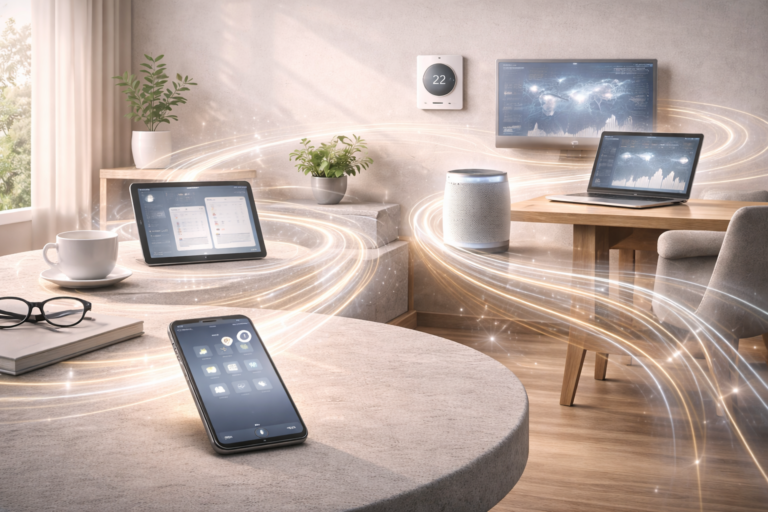
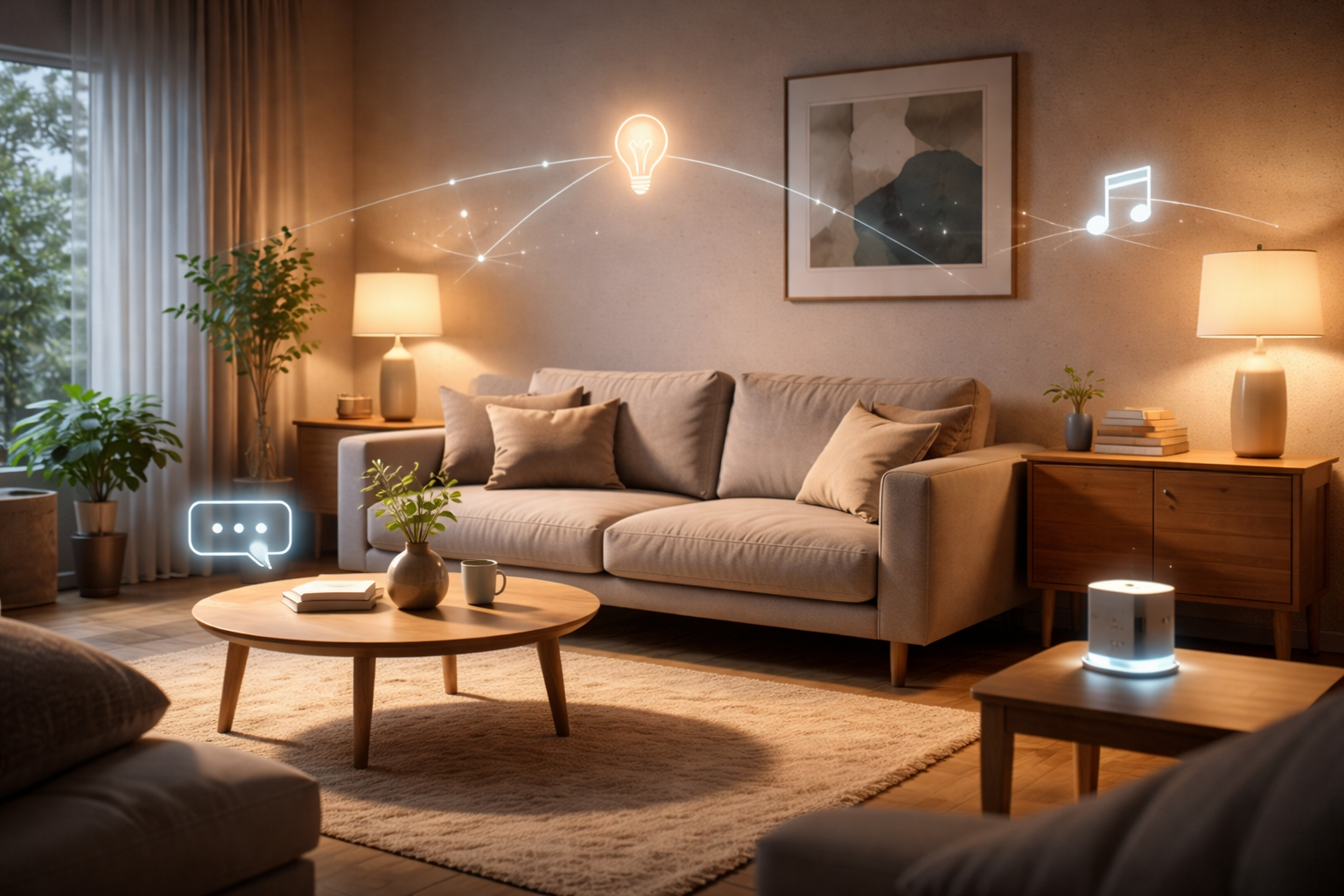
At home, AI assistants adjust environments, manage reminders, and simplify coordination.
They are no longer perceived as devices, but as background systems.
Invisible does not mean uncontrolled
Invisibility raised concerns. Loss of control. Loss of awareness.
Modern AI systems address this by offering transparency on demand, not by default. Users stay in control without constant engagement.
Why visibility faded on purpose
Attention is valuable. Constant alerts create fatigue.
AI assistants became invisible because people wanted calm, not complexity.
The future of invisible technology
The future of AI is quieter. Less interruption. More anticipation.
The best technology will be the one people forget exists.
Reality Check
AI assistants did not disappear. They matured. Their success is measured by how little attention they demand.
Final Verdict
AI assistants became invisible by design. By integrating into routines, anticipating needs, and respecting attention, they transformed from novelty into necessity. In 2026, invisibility is the highest form of technological success.
FAQ
Why are AI assistants becoming less visible?
Because users value calm, efficiency, and reduced cognitive load.
Does invisible AI mean less control?
No. Control remains available when needed, without constant interaction.
Are AI assistants replacing human decisions?
No. They support decisions rather than replace them.
Is invisible technology safer?
It can be, when designed with transparency and boundaries.
Is this article safe for AdSense and GEO?
Yes. The content is educational, neutral, and fully policy-safe.