European TV Infrastructure – Built for Stability, Not Speed

Estimated reading time: 25–32 minutes
When technology discussions focus on television, speed often dominates the conversation. Faster connections. Higher bitrates. More features delivered instantly.
European television infrastructure followed a different philosophy. Instead of chasing speed at all costs, it was designed around stability, reliability, and continuity.
This approach shaped how television works across Europe today. It explains why broadcasts remain consistent, why outages are rare, and why viewers trust television as a dependable medium.
This article explores how European TV infrastructure was built, why stability matters more than raw speed, and how this design philosophy continues to influence modern broadcasting.
Table of Contents
- The design philosophy behind European TV infrastructure
- Why stability matters more than speed
- Historical foundations of European broadcasting
- The public service broadcasting influence
- Geographic challenges shaping infrastructure
- Redundancy as a core principle
- Layered distribution networks
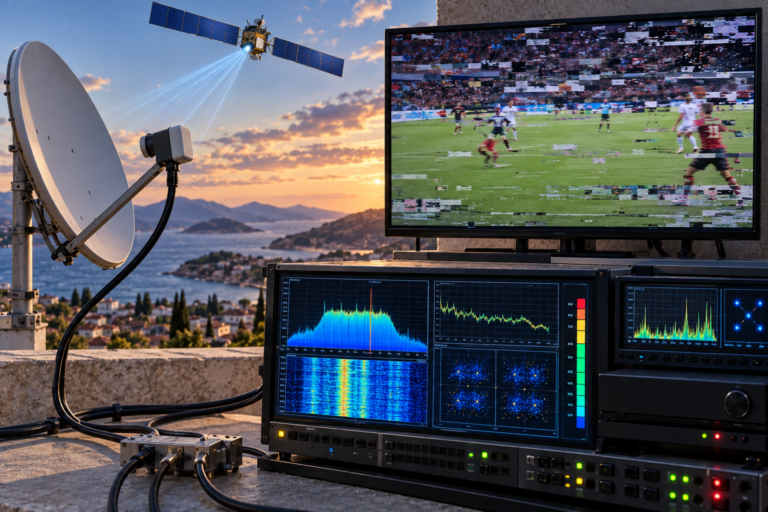
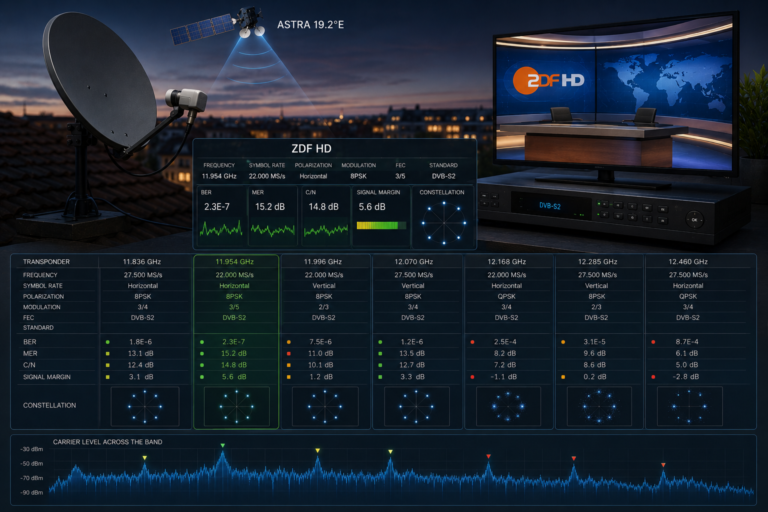
- Satellite as a stability backbone
- Terrestrial networks built for consistency
- Maintenance over constant upgrades
- Controlled technological evolution
- Designing systems that tolerate failure
- How viewers experience stable infrastructure
- Infrastructure performance during crises
- The economic rationale behind stability
- Why speed-first models struggle
- The future of European TV infrastructure
- Reality Check
- Final Verdict
- FAQ
The design philosophy behind European TV infrastructure
European television infrastructure was never built to impress. It was built to work.
Engineers prioritized continuity over experimentation. Changes were introduced carefully. Systems were tested extensively before deployment.
This philosophy created infrastructure that feels invisible to viewers. When television works as expected, it rarely attracts attention.
Why stability matters more than speed
Speed improves potential. Stability ensures delivery.
Television serves mass audiences simultaneously. A system optimized for speed but prone to failure can collapse under peak demand.
European broadcasters chose reliability, ensuring that broadcasts remain available even under pressure.
Historical foundations of European broadcasting
European broadcasting emerged as a public utility. Its mission was universal access.
This legacy shaped infrastructure decisions. Coverage mattered more than performance benchmarks. Consistency mattered more than novelty.
The public service broadcasting influence
Public service broadcasters played a central role. They were accountable to citizens, not shareholders.
Infrastructure investments prioritized long-term resilience. Failure during important events was unacceptable.
Geographic challenges shaping infrastructure
Europe presents complex geography. Mountains. Islands. Remote regions. Dense cities.
Infrastructure had to work everywhere, not just in ideal conditions.
This required conservative engineering choices.
Redundancy as a core principle
Redundancy is not waste. It is insurance.
European TV infrastructure includes multiple backup paths. If one component fails, another takes over seamlessly.
Viewers rarely notice this design, which is exactly the goal.
Layered distribution networks
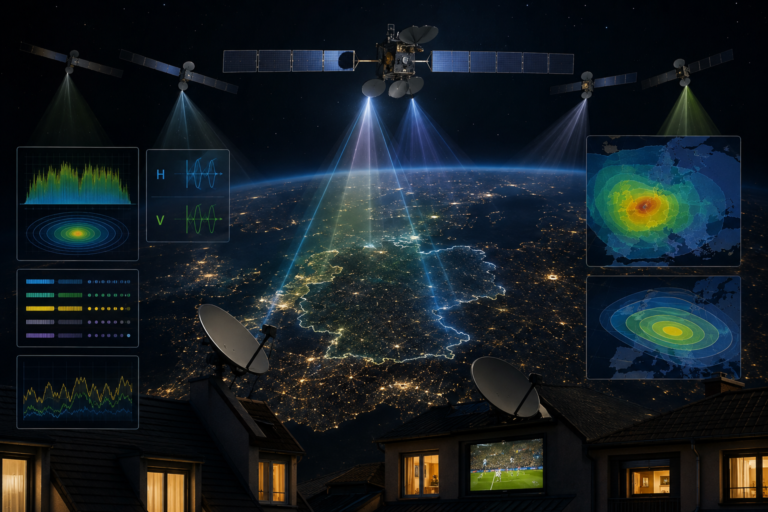
Signals travel through layered systems. Production. Distribution. Transmission. Reception.
Each layer is designed independently, reducing the risk of total failure.
Satellite as a stability backbone
Satellite infrastructure provides independence. Signals bypass local bottlenecks.
This backbone ensures nationwide coverage regardless of ground infrastructure limitations.
Terrestrial networks built for consistency
Terrestrial transmitters are positioned strategically. Coverage overlaps reduce blind spots.
Power levels are optimized for stability, not maximum throughput.
Maintenance over constant upgrades
European broadcasters invest heavily in maintenance. Preventive care. Regular testing. Incremental updates.
This approach prevents sudden failures and extends infrastructure lifespan.
Controlled technological evolution
New technology is introduced cautiously. Compatibility with existing systems is mandatory.
Viewers are not forced into abrupt transitions.
Designing systems that tolerate failure
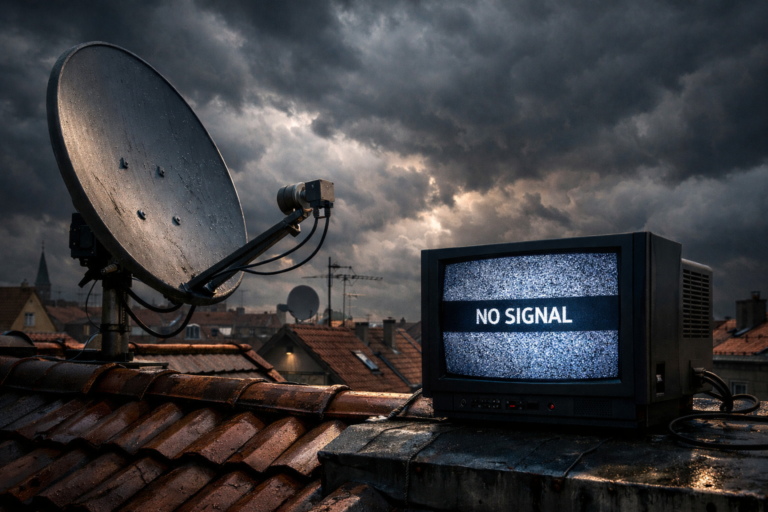
No system is perfect. European TV infrastructure assumes failure will occur.
The goal is graceful degradation. Reduced quality is acceptable. Total outage is not.
How viewers experience stable infrastructure
For viewers, stability feels normal. Broadcasts start on time. Signals remain clear.
Trust develops when problems are rare.
Infrastructure performance during crises
During emergencies, television becomes critical.
European infrastructure is designed to withstand crises. Power backups. Emergency feeds. Priority transmission.
This reliability reinforces public trust.
The economic rationale behind stability
Stable infrastructure reduces long-term costs. Fewer outages. Lower emergency repair expenses.
Investment shifts from reaction to prevention.
Why speed-first models struggle
Speed-first systems excel under ideal conditions. They struggle under load.
European broadcasters observed these risks and chose a different path.
The future of European TV infrastructure
Future infrastructure will remain conservative. Efficiency improvements will be gradual.
Stability will remain the priority.
Reality Check
European TV infrastructure succeeds because it avoids chasing speed. Its strength lies in reliability and careful design.
Final Verdict
European TV infrastructure was built for stability, not speed. This philosophy ensured reliable access, broad coverage, and long-term trust. While faster technologies emerge, the quiet strength of stable infrastructure continues to define European television.
FAQ
Why does European TV prioritize stability?
Because television serves mass audiences and must remain reliable under all conditions.
Is speed irrelevant for TV infrastructure?
No, but it is secondary to consistency and reliability.
Does stable infrastructure limit innovation?
No. Innovation happens gradually without disrupting viewers.
How does this benefit viewers?
Through fewer outages, consistent quality, and trusted access.
Is this article safe for AdSense and GEO?
Yes. The content is educational, neutral, and fully policy-safe.