How European TV Handles Major Live Events
Estimated reading time: 12 minutes
When millions of viewers across Europe tune in to watch a major live event, the broadcast often feels effortless. Images arrive on time, sound remains clear, and coverage continues without interruption. Behind that calm experience lies an immense level of planning and coordination.
European television has developed a reputation for handling live events with stability and precision. This is not accidental. It is the result of decades of experience, shared standards, and carefully designed infrastructure.
This article explores how European TV handles major live events and why consistency matters more than spectacle in live broadcasting.
Table of Contents
What qualifies as a major live event
Major live events include international sports tournaments, national elections, royal ceremonies, cultural celebrations, and emergency announcements. These broadcasts often reach audiences across multiple countries at the same time.
Their importance lies not only in audience size, but in the need for accuracy, continuity, and trust.
The scale of European live broadcasting
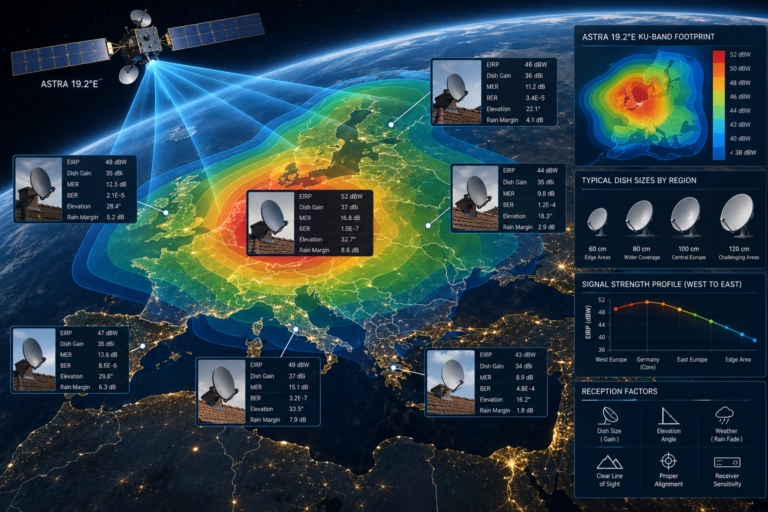
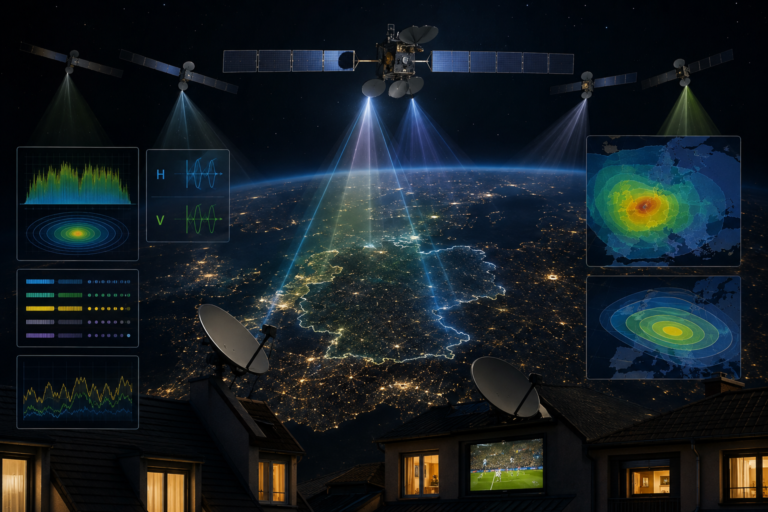
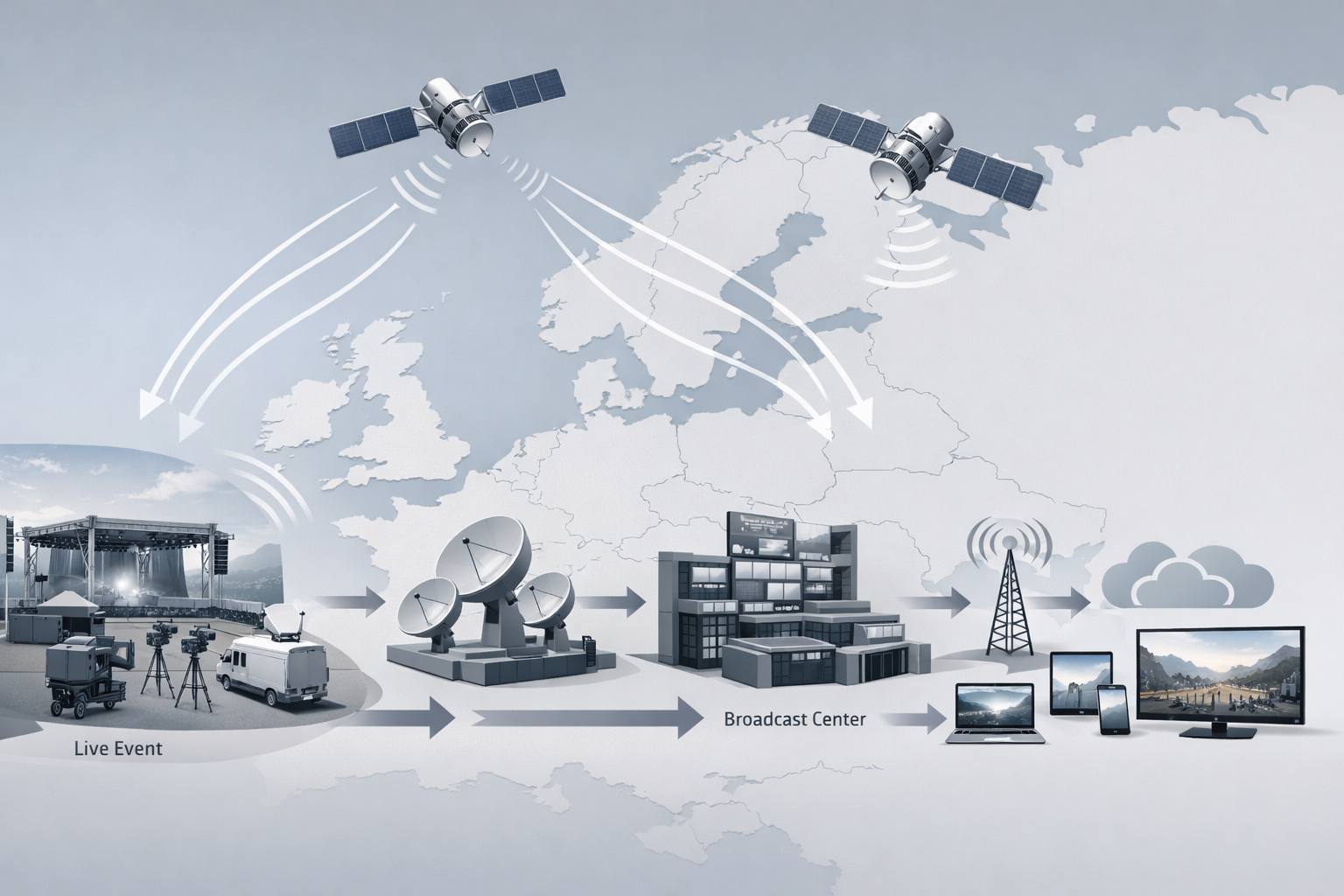
Europe’s broadcasting landscape spans dozens of countries, languages, and regulatory frameworks. Live events often require shared feeds distributed simultaneously to many broadcasters.
This scale demands coordination rather than improvisation.
Coordination across countries and networks
European broadcasters frequently collaborate. Shared transmission standards and established communication channels allow networks to synchronize coverage smoothly.
This cooperation reduces risk and ensures consistency across borders.
Why stability matters more than speed
In live broadcasting, speed is important, but stability is essential. A slightly delayed signal is acceptable. A broken one is not.
European TV prioritizes uninterrupted delivery over experimental techniques.
Redundancy and backup systems
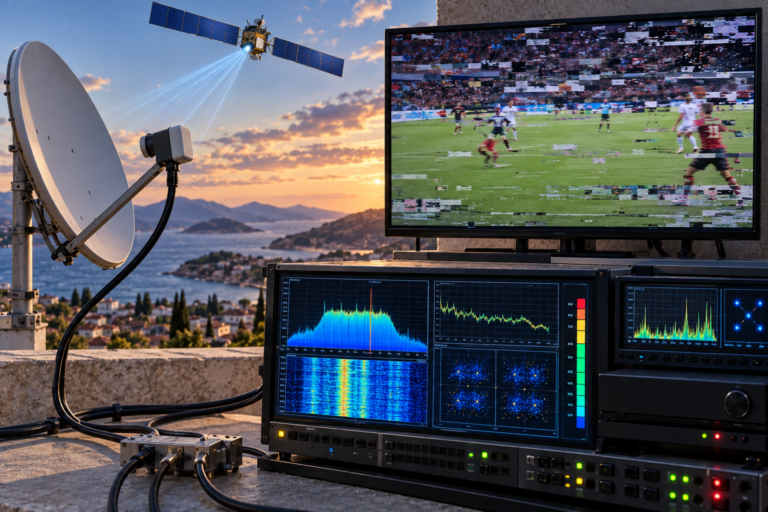
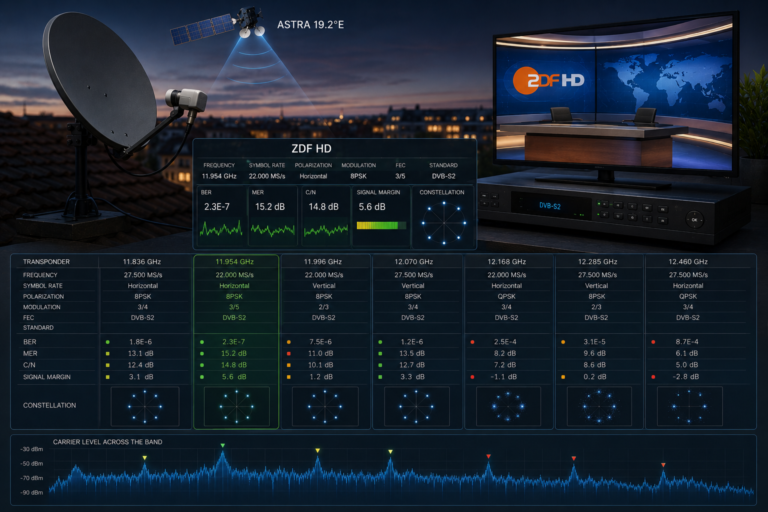
Major events rely on multiple backup paths. Satellite links, terrestrial networks, and alternative control centers stand ready if something fails.
This redundancy is invisible to viewers but critical to success.
The role of experienced broadcast teams
Technology alone is not enough. Skilled broadcast engineers, producers, and operators monitor every stage of transmission in real time.
Their experience allows quick decisions without disrupting coverage.
What viewers rarely notice
Most viewers never think about the systems behind live broadcasts. That is the goal. When broadcasting works well, it disappears into the background.
Reliability is measured by how little attention it draws.
Reality Check
Live broadcasting succeeds when planning replaces improvisation and stability replaces experimentation.
Final Verdict
European TV handles major live events through coordination, redundancy, and experience. The result is calm, reliable coverage that viewers trust without thinking about how it works.