How TV Fits Into Everyday Life for Austrian Families in 2026
Estimated reading time: 16 minutes.
In Austria in 2026, watching television is not a single decision anymore. It is a quiet routine that sits inside everyday life. Families do not want a complicated setup. They want the kind of viewing that works after a long day. They want something that starts fast, looks good, and makes sense for everyone at home.
Quick Context
This article describes normal household habits in Austria in 2026. It focuses on legal, practical viewing choices and the daily reality of family life.
- The routine that replaced the old TV schedule
- One screen, many ways to watch
- Kids content and the family remote control problem
- Live moments that still pull everyone together
- How families think about cost in 2026
- The new definition of a simple setup
- Reality Check
- Final Verdict
- Frequently Asked Questions
The routine that replaced the old TV schedule
If you asked an Austrian family years ago when they watch TV, you might have heard a fixed answer. News at a certain hour. A show after dinner. A film on the weekend. In 2026 the routine is still there, but it is shaped differently.
The biggest shift is not a new technology. It is a change in energy and time. Parents come home with a full day behind them. Kids come home with homework, hobbies, and phones that never stop. Nobody wants a rigid schedule that punishes you for being busy.
So the routine becomes a set of small moments. A short live segment while cooking. A comfort show after the kitchen is clean. A family film that starts when everyone is finally on the sofa. Television becomes a background rhythm that you can turn into a main event when it matters.
This is why live TV did not disappear in Austria. It simply changed its role. It is the quick option, the familiar option, and the option you use when you do not want to decide. Streaming becomes the deliberate option. It is what you choose when you do want to decide.
In 2026, the Austrian living room is less about channels and more about moments.
One screen, many ways to watch
Most Austrian families still gather around a main screen. That part has not changed. What changed is what the screen represents. It is no longer a single pipeline with a single provider. It is a hub.
A smart TV in 2026 is expected to do three things well. It must open fast. It must switch between sources without drama. It must stay stable even when the home network is busy. Families may not describe it in technical terms, but they feel the difference instantly.
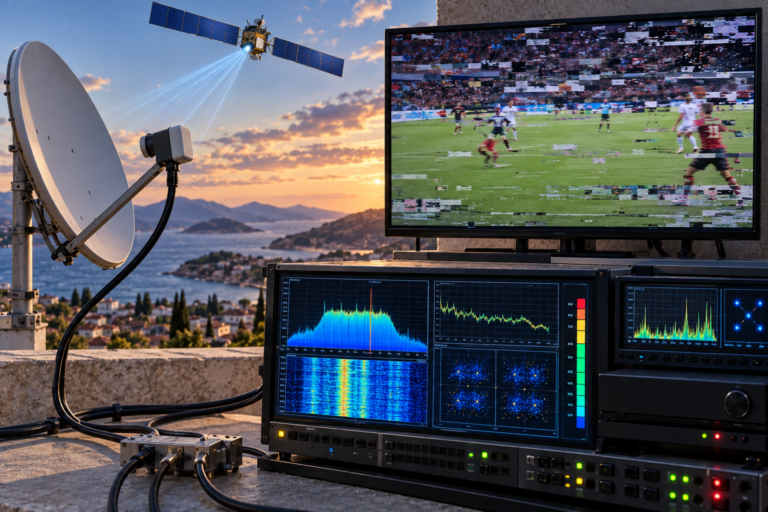
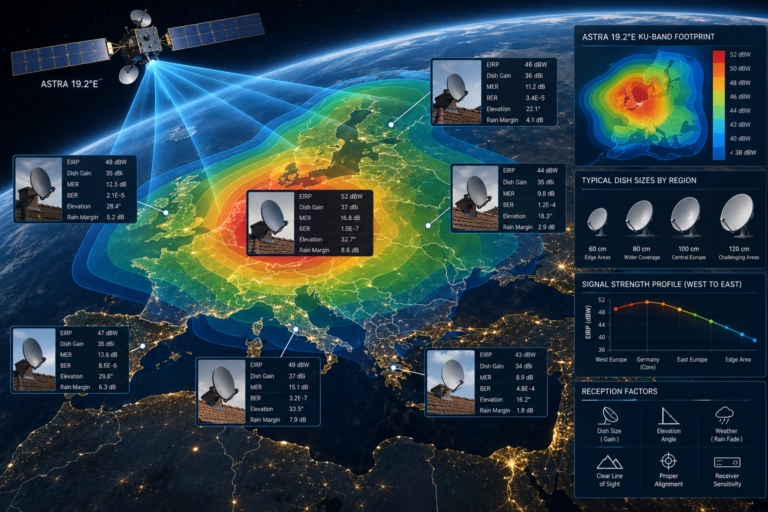
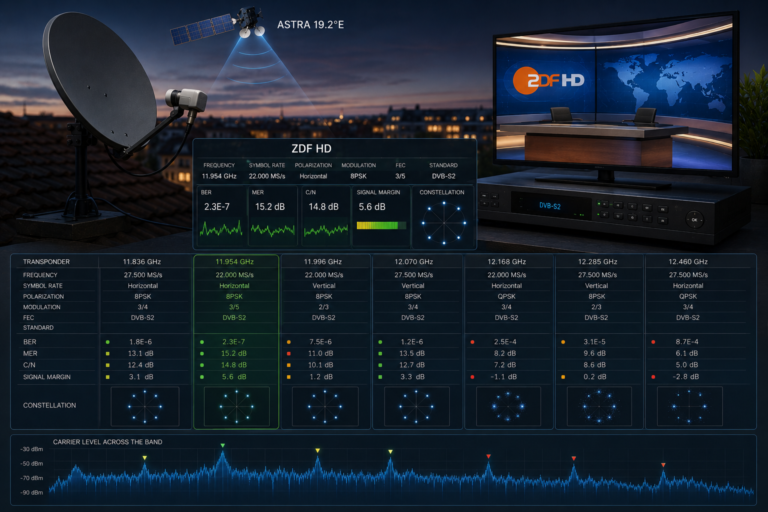
Live TV can arrive through different paths. Some homes rely on terrestrial reception for basic channels. Some rely on cable for a familiar bundle. Some keep satellite because it has been reliable for years. Many homes use a mix, depending on the building and the location.
The important point is that families do not care which path is used. They care about the result. They want the same remote, the same volume control, and the same simple experience. If a setup forces them to remember too many steps, it loses.
That is why small connected devices remain popular. A simple streaming box, a stable app environment, and a clean interface can transform an old TV into a modern one. For a family, that can feel smarter than replacing the entire screen.
Kids content and the family remote control problem
Kids are often the hidden driver of TV habits. Not because families plan around children, but because kids create predictable needs. They want cartoons before school. They want short clips after homework. They want the same favorites repeated until the adults lose patience.
In 2026, Austrian parents want two things at the same time. They want easy access to content that keeps children happy. They also want boundaries that do not turn into daily conflict. This is where the old channel model struggles. Channels are not designed for household control. Apps are.
The daily remote control problem is real. A family wants one remote that works. But they also want profiles, watch lists, and age appropriate sections. Many households end up with a simple rule. Live TV is the default for casual viewing. Apps are used for kids content because it feels safer and easier to manage.
This habit also reduces noise in the home. When kids can find what they like without asking every minute, adults can breathe. In a normal apartment in Vienna, Graz, or Linz, that matters more than any feature list.
Live moments that still pull everyone together
For all the on demand convenience, some content still works best live. Sports is the obvious example. A match is not just a video. It is a shared moment. It is a conversation the next day. It is the feeling that something is happening right now.
Austrian families in 2026 treat live events like appointments, even if they avoid schedules in general. They might not watch TV every night at the same hour. But when something matters, they show up. They arrange snacks. They make the volume louder. They put phones down for a while.
This is one reason many households keep at least one stable live option. They do not want to troubleshoot during a big moment. They want reliability. And they want a plan that works even if the internet has a bad evening.
That does not mean every home keeps every platform. It means the family chooses one or two reliable paths and builds habit around them. The chosen path depends on the household, the building, and the budget. But the logic stays the same. Live moments must feel effortless.
How families think about cost in 2026
In 2026, cost is not only about price. It is about whether you feel in control. Austrian families often accept paying for quality when the value is clear. What they dislike is paying and still feeling limited.
This is where the mindset changed compared to older TV models. A large bundle can feel heavy if you do not use most of it. A small set of subscriptions can feel lighter because it matches the real routine. Families do not always calculate it perfectly. They judge it by intuition. Does it feel worth it this month. Does it reduce stress or add stress.
Many households use a seasonal approach without calling it that. They keep a stable base, often public service and a reliable live option. Then they add a subscription for a few months when a series becomes popular. After that, they cancel. This is not about being cheap. It is about staying flexible.
Another factor is device count. In a family home, one subscription can serve multiple screens. That can feel like a better deal than a traditional single screen model. Again, families do not explain it with marketing language. They just feel it.
The new definition of a simple setup
A simple setup in 2026 is not the same as a simple setup ten years ago. It is not about having fewer devices at any cost. It is about having fewer problems.
Austrian families define simplicity through everyday questions. Can my parents visit and use the TV without help. Can the kids find their section without changing settings. Can I switch from live TV to a film without losing audio. Can we keep the living room clean without cable chaos.
This is why stable connectivity matters. A router placed well can matter more than a fancy TV. A wired connection can feel more reliable than a perfect looking wireless setup. A soundbar that turns on with the TV feels like luxury even if it is not expensive.
Families also learn to avoid fragile complexity. If a setup depends on constant logins, frequent updates, or confusing menus, it becomes tiring. In 2026, tired is the enemy of TV. People want relaxation. So the best setups are the ones that fade into the background.
There is also a quiet return to backups. Not a dramatic one. Just a practical one. Some families keep a basic live option available even if they mostly use apps. It feels reassuring. When something goes wrong, the home still has entertainment.
Reality Check
In Austria in 2026 there is no single perfect way to watch TV. The best setup is the one that matches the home, the building rules, the family routine, and the need for reliability. If a solution adds stress, it is not truly modern, even if it looks modern.
Final Verdict
Final Verdict
The new TV habit of Austrian families in 2026 is simple. Live TV remains the easy default for familiar viewing. Streaming remains the flexible choice for deliberate watching. The winning setups are the ones that feel calm, stable, and easy for everyone in the home.
Frequently Asked Questions
| Question | Answer |
|---|---|
| Do Austrian families still watch live TV in 2026 | Yes. Many homes keep live TV for quick viewing and for live events, while using apps for on demand content. |
| What matters most in a home TV setup in 2026 | Reliability and simplicity. Families want a setup that starts fast, stays stable, and is easy for everyone to use. |
| Is streaming replacing traditional TV completely | Not completely. For many households, streaming complements live TV and becomes part of a balanced routine. |
| How do families keep costs under control | Many families keep a stable base and add or cancel subscriptions depending on what they actually watch during the year. |
| What is the easiest approach for most homes | A stable live option plus one or two trusted apps on a simple device. The goal is fewer steps and fewer problems. |