Why German TV Channels Are Watched in American Homes
Estimated reading time: 17 minutes.
Let me tell you something that surprises people in the USA in 2026. German TV channels are not just a “German expat thing.” Yes, expats and German speaking families matter a lot, but that is only one slice of the story. A bigger reason is simple. German TV fits a certain mood that many American homes still look for. Calm, structured, familiar, and not constantly trying to be loud.
When you ask why German TV channels are watched in American homes, the answer is not one big reason. It is a pile of small, everyday reasons that add up. Language practice here. A different news tone there. A football match at a strange hour. A Sunday afternoon that feels better with something familiar in the background. That is what this article explains. Not a list. A real explanation that makes sense.
Quick Context
This article is a behavioral look at why German TV channels are watched in American homes in 2026. It focuses on real-life motivations and habits rather than hype or marketing claims.
- Who is actually watching German TV in the USA
- The comfort factor people rarely admit
- Language learning that feels effortless
- A different relationship with news
- Sports and timing as a hidden driver
- Cultural identity without being “nostalgic”
- How German TV fits into American routines
- What stops people from sticking with it
- A smarter way to think about “best”
- Reality Check
- Final Verdict
- Frequently Asked Questions
Who is actually watching German TV in the USA
If you picture German TV in the United States as one small group, you miss the real picture. In 2026, the audience is usually a mix of five types of people. And the interesting part is how often these types overlap in one household.
First, you have German speakers living in the US. That includes expats, students, and long-term residents. Second, you have families where one partner is German or Austrian or Swiss and the other is American. German TV becomes a “bridge” in that home. Third, you have heritage viewers, people who grew up hearing German from grandparents, and they want to reconnect without making it a big project.
Fourth, you have language learners who do not want another app. They want real language, real pacing, real voices. Fifth, you have curiosity viewers. They like European documentaries, talk formats, or simply the calm tone that feels different from what they are used to.
So the question is not “who watches German TV.” The better question is “who uses German TV as a tool.” And in 2026, it is used as a tool more often than people admit.
In many American homes, German TV is not the main event. It is a background tool that quietly improves the day.
The comfort factor people rarely admit
Here is the most honest reason. German TV feels calmer to many viewers. That calmness does not mean boring. It means it does not constantly fight for attention.
A lot of American media is built around speed. Fast cuts. High emotion. Constant hooks. That style works, but it also exhausts people. German TV often gives a different experience. Slower pacing. More structure. More “let’s explain this properly.”
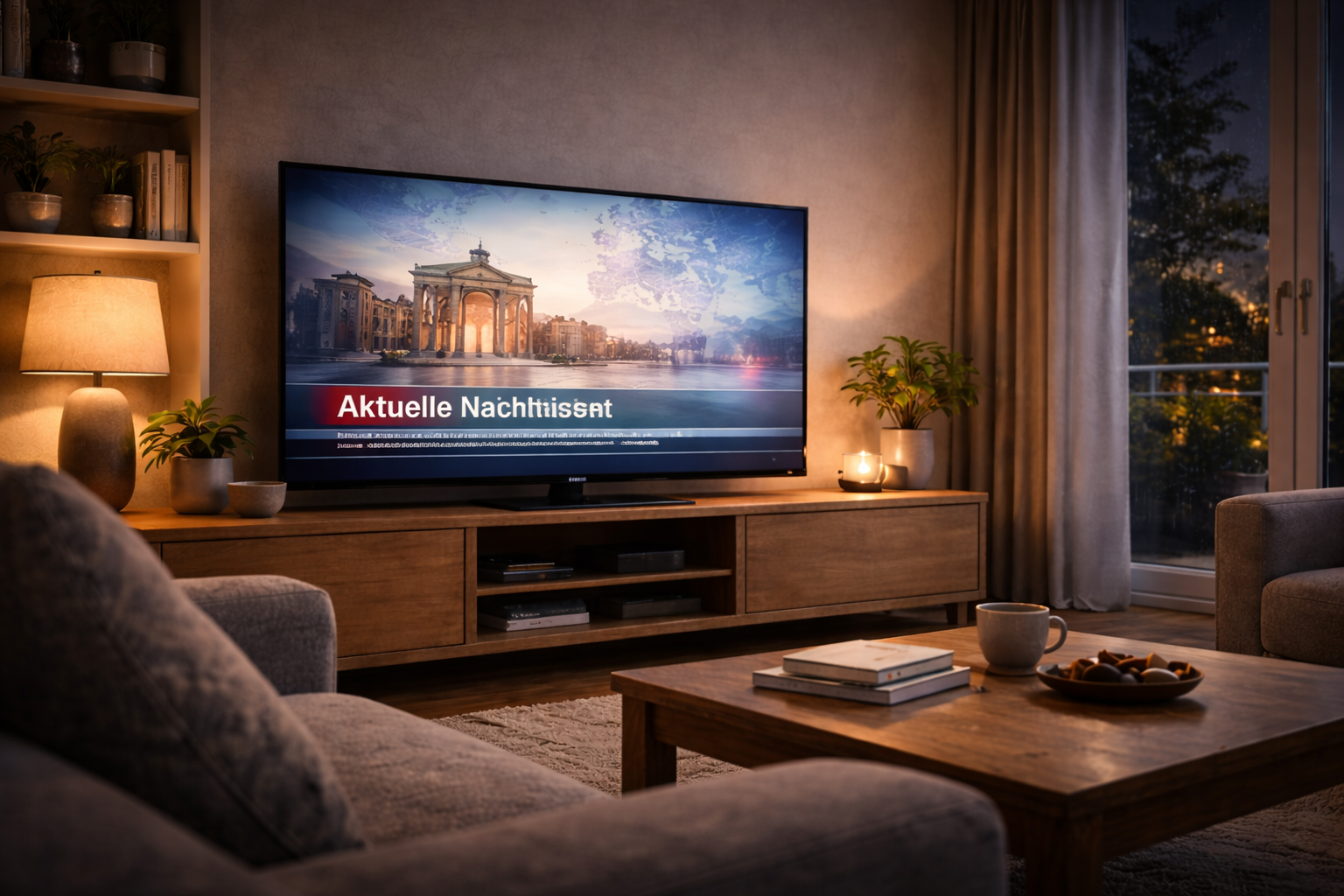
When someone has a long day, they do not always want something intense. They want something stable. German TV is often used like a warm lamp in the room. It changes the atmosphere even if you are not watching closely. That is why people keep it on while cooking, cleaning, or simply winding down.
Language learning that feels effortless
A big chunk of German TV viewing in the US is basically language learning disguised as relaxation. People do not always say it like that, but it is true.
The best kind of language practice is consistent exposure. Not one big session every two weeks. Small daily contact. German TV fits that perfectly. The viewer hears real intonation, everyday phrasing, and natural speed. They start recognizing patterns. They pick up common words without memorizing lists.
And there is a psychological trick here. When language learning feels like “study,” people quit. When it feels like “this is just what we have on at home,” they keep going for months. That is why German TV can become powerful in American households. It stays. It becomes part of life.
Many viewers also use subtitles as training wheels. They do not need to understand everything. They only need to understand more than yesterday. That slow progress is what keeps them coming back.
A different relationship with news
This is a sensitive topic, so let’s keep it practical. In 2026, many people in the US are tired of news that feels like constant tension. Some viewers want a second perspective, not to argue with what they already watch, but to balance the mood.
German news and information programs are often watched in American homes for one reason. They feel structured. Even when topics are serious, the presentation often feels less “shouty.” Viewers feel they can stay informed without feeling attacked by the screen.
This is especially true for households where one person follows US news and the other prefers a calmer format. German channels become a “neutral ground.” Not neutral politically. Neutral emotionally. That matters.
Sports and timing as a hidden driver
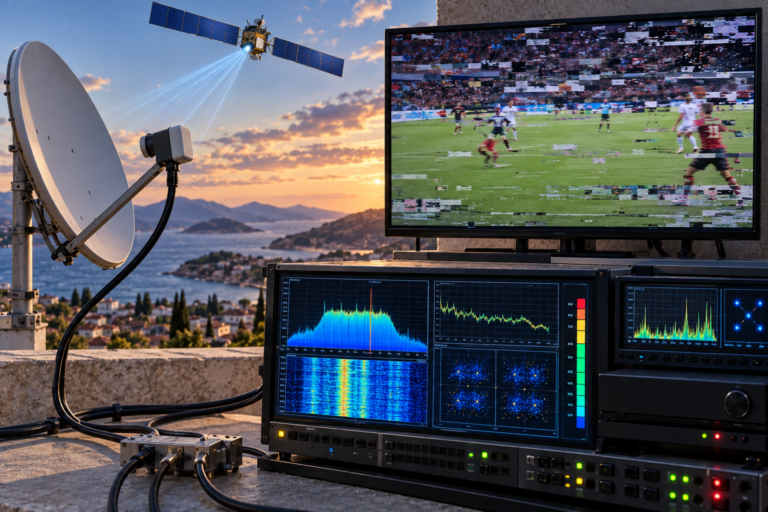
Sports is another reason German TV shows up in American homes, even homes where nobody speaks German well. European football fans in the US often build their weekends around European schedules. But the timing can be weird. A match can be early morning depending on where you live in the United States.
German TV becomes part of the ritual. Coffee. Quiet living room. A match in the background. Even if the viewer cannot follow every word, the atmosphere is enough. The sound of the commentators becomes part of the experience.
There is also a social angle. Fans often gather at home for games because it is easier than going out every time. So German TV is not only watched by individuals. It is sometimes watched by groups. That shared viewing strengthens the habit.
Cultural identity without being “nostalgic”
A lot of people assume cultural viewing is always nostalgia. Not exactly. In 2026, many German speakers in the US are building a life that blends cultures. German TV helps them maintain identity without making a big deal about it.
Think about small moments. A familiar holiday program. A documentary tone that reminds them of home. A talk format that feels culturally familiar. It is not about “missing home.” It is about feeling grounded.
For families raising kids, German TV can also be a practical cultural tool. Not for perfect language teaching. Just for keeping the ear familiar with the language and the rhythm. A child who hears German voices regularly will often feel less resistance to learning later. That is a real-world benefit.
How German TV fits into American routines
Here is what makes German TV work in American homes. It fits into the gaps. It does not require you to sit down like it is an event.
In many homes, German TV is used in three common windows. Morning. Late afternoon. Late evening.
Morning is usually about gentle information or background sound while the day starts. Late afternoon is “I need something on while I do life.” Late evening is “I want something calmer than social media.”
This is also why German TV can outlast streaming habits. Streaming requires choosing. Choosing requires energy. After a long day, people often do not want to choose. They want something that simply plays. German TV channels offer that. They remove decision fatigue.
What stops people from sticking with it
Now let’s be honest about the friction points, because they are real. The first is time zones. Live programming does not always match the US day. That can be annoying, especially if someone wants a specific show in real time.
The second friction point is expectations. Some Americans try German TV expecting it to feel like American TV. It does not. If they judge it by the wrong standard, they quit quickly. The best viewers are those who let it be what it is. A different flavor. Not a replacement.
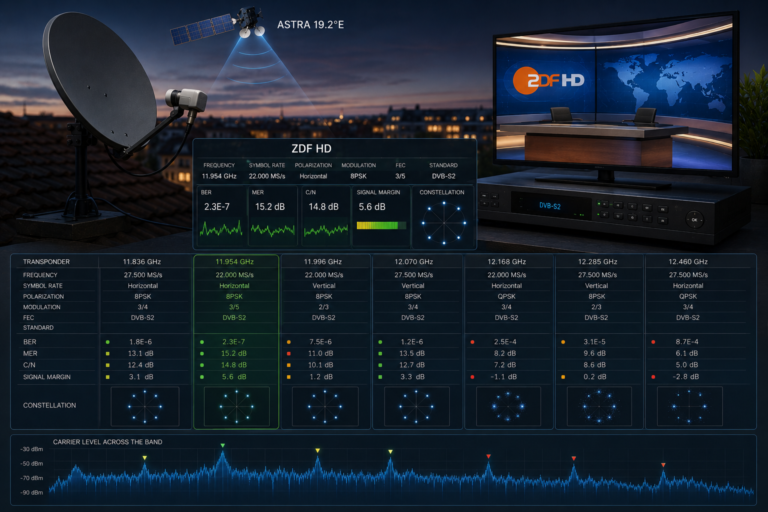
The third is access confusion. People often do not know where they are supposed to watch it legally and reliably. If the access feels complicated, most people will not bother. They will go back to what is easy.
And there is one more. Language frustration. If someone wants to understand every sentence, they will feel exhausted. The viewers who stick are the ones who accept partial understanding. They let the language wash over them. That is the secret.
A smarter way to think about “best”
When someone searches “best German TV channels in USA,” what do they really want? Most of the time, they want one of these things.
They want a channel that feels familiar and easy to leave on. They want something that helps them practice German. They want calm news or documentaries. They want sports atmosphere. Or they want to feel connected to German culture.
So the best channel is not universal. It is personal. The smarter approach is to match the channel type to the reason you are watching. That is how German TV stays in American homes. It solves a specific need. Not a general one.
Reality Check
German TV channels are watched in American homes in 2026 because they fit real life needs. They reduce decision fatigue, support language exposure, offer a calmer viewing tone, and keep cultural identity present without effort. The audience is wider than most people assume.
Final Verdict
Final Verdict
The reason German TV channels are watched in American homes is simple. They feel useful. Not “trendy.” Useful. They help people stay connected, stay calm, or stay consistent with language and culture. In 2026, the channels that win are the ones that fit into daily routines without demanding attention.
Frequently Asked Questions
| Question | Answer |
|---|---|
| Is German TV only for German speakers in the USA | No. Many viewers watch for language learning, a calmer viewing tone, documentaries, or sports atmosphere, even with limited German skills. |
| Why do people keep German TV on in the background | It often feels structured and steady, so it works well during cooking, chores, or evening wind-down without demanding constant attention. |
| Does time zone difference matter | Sometimes. Live programming may not match the US day, but many viewers build habits around morning or evening windows that still work well. |
| What makes German TV feel different to American viewers | Many viewers notice calmer pacing, clearer structure, and a less aggressive style compared to fast, high-intensity formats. |
| What is the most realistic reason people stick with it | It becomes part of routine. When it fits daily life without effort, people keep it in their home environment for months or years. |