Austria Sports Channels 2026 Passive Viewing Patterns
Estimated reading time: 14 minutes.
In Austria in 2026, not every sports viewing session is active and focused. A large part of daily sports consumption happens in a passive way, where the TV is on and the viewer is only partially engaged.
This passive pattern is not random. It follows clear habits inside the home, where sports channels become part of the background atmosphere. For a deeper look at how this works in real homes, you can also explore how background sports viewing habits in Austria shape daily routines.
Quick Context
This article explains passive sports viewing patterns in Austria in 2026 and how viewers stay connected to sports channels without full attention.
- What passive viewing means in sports TV
- Sports TV as a home environment element
- Light attention and listening patterns
- Glance based viewing behavior
- Moments that trigger full focus
- Daily routines and passive sports TV
- Why sports channels support passive viewing
- Passive viewing behavior pattern
- Reality Check
- Final Verdict
- Frequently Asked Questions
What passive viewing means in sports TV
Passive viewing means the viewer is not fully focused on the screen all the time. The TV is on, the match is playing, but attention moves between the screen and other activities.
This creates a flexible and low effort way to stay connected with sports.
Sports TV as a home environment element
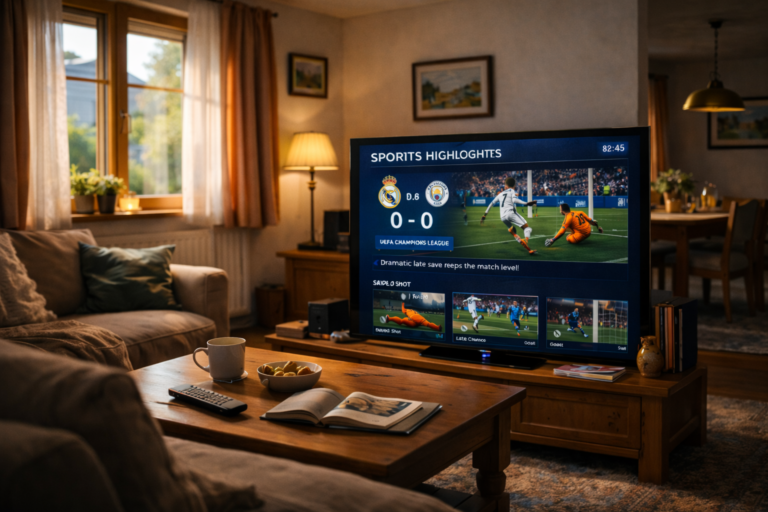
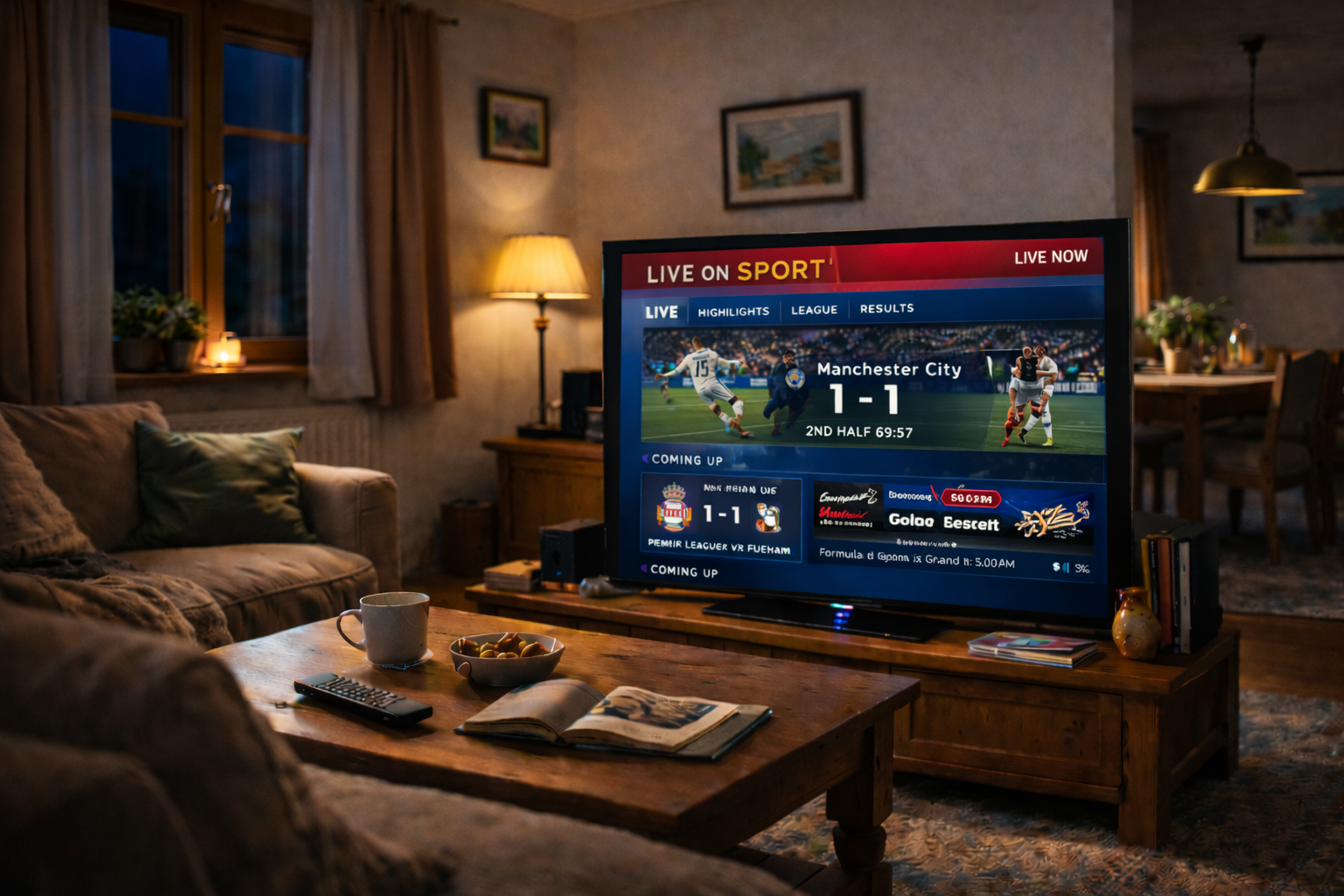
In many Austrian homes, sports channels run in the background like music or radio. They create a familiar atmosphere with commentary, crowd noise, and live updates.
This turns sports TV into part of the daily environment.
Light attention and listening patterns
Viewers often listen more than they watch. Commentary provides enough information to understand what is happening without looking directly at the screen.
This listening based behavior supports passive viewing.
Glance based viewing behavior
Instead of continuous watching, viewers look at the screen for short moments. These quick glances help them confirm key actions and follow the match flow.
The rest of the time, attention is directed elsewhere.
Moments that trigger full focus
Important moments like goals or critical plays immediately pull the viewer back to full attention. The transition from passive to active viewing happens instantly.
After the moment passes, the viewer often returns to passive mode.
Daily routines and passive sports TV
Passive viewing fits naturally into daily routines such as cooking, working from home, or relaxing. Sports channels stay on while these activities continue.
This makes sports TV part of everyday life rather than a separate event.
Why sports channels support passive viewing
Sports channels are designed for easy re entry. Scoreboards, replays, and repeated highlights allow viewers to reconnect at any moment.
This design makes passive viewing possible and effective.
Passive sports viewing behavior in Austria 2026
| Viewing mode | Viewer behavior | Attention level |
|---|---|---|
| Ambient mode | Listening while doing other tasks | Low attention |
| Glance mode | Short visual checks | Medium attention |
| Key moment | Full focus on screen | High attention |
| Return phase | Back to passive listening | Low attention again |
Reality Check
Passive sports viewing is a normal and stable behavior in Austria in 2026. Viewers combine listening, short glances, and full attention moments throughout the day.
Final Verdict
Final Verdict
Austria sports channels in 2026 function as a constant background companion. Passive viewing patterns allow viewers to stay connected to sports without dedicating full attention all the time. This flexible habit is a key part of modern sports TV behavior.
Frequently Asked Questions
| Question | Answer |
|---|---|
| Do viewers actively watch sports all the time | No, many viewers combine passive listening with short moments of focused watching. |
| Why is passive viewing common | Because it fits naturally with daily routines and allows multitasking. |
| Do viewers still catch important moments | Yes, key events quickly draw full attention even during passive viewing. |
| Why are sports channels suitable for passive viewing | Because they repeat information and provide continuous updates for easy re entry. |