
China builds first foreign spaceport on equator
What is Known About the Project
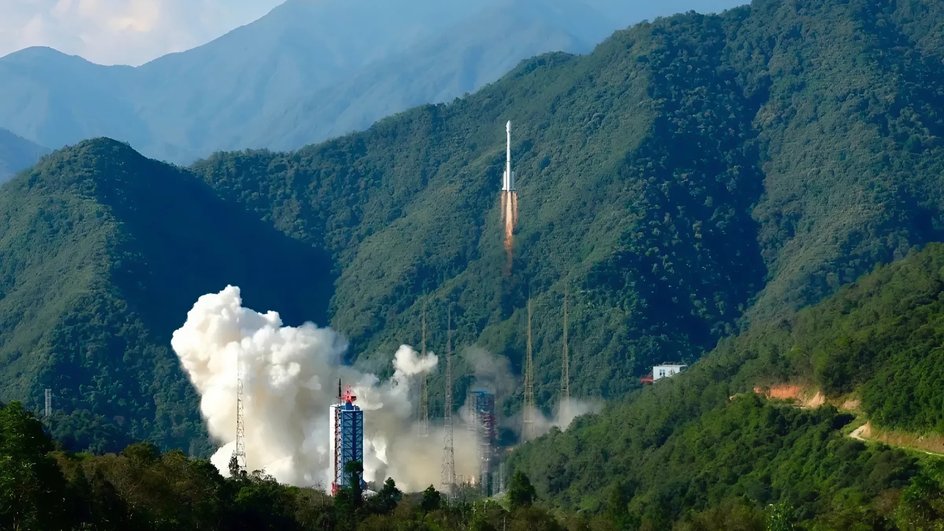
China’s first equatorial spaceport may appear on Malaysian territory. Both countries are discussing the implementation of this project. It involves the construction of a launch pad with the participation of state and private companies. The corresponding agreement between the Chinese contractor and Malaysian firms has already been signed.
The parties will conduct a feasibility study for the project within the next year. The spaceport is planned to be built in the state of Pahang on the Malay Peninsula. Malaysia is interested in building such a facility because it will create more than 2,000 jobs and will also have other effects, such as boosting tourism and scientific research.
The cosmodrome will be located practically on the equator – only three to four degrees from it. Launches from such latitudes are more economically feasible, since they allow additional use of acceleration from the Earth’s rotation. This will make it possible to increase the payload at the start, and will also lead to lower fuel consumption.
If finally approved, the project could be completed within three to five years. Such timeframes are determined by the Malaysian side. In May, a delegation from this country will travel to the Wenchang space city in China to discuss further plans for the construction of the cosmodrome and to see how work is organized at this infrastructure facility.
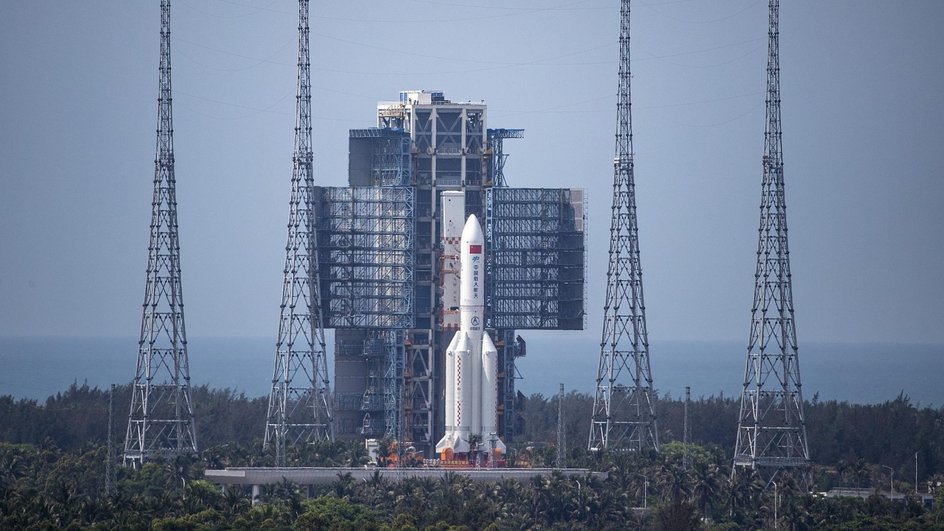
China and Malaysia will also have to address important issues regarding their neighbors, including Indonesia, where the missiles will fly over early in the launch, and potential security threats to the region’s busy sea and air routes.
The Pahang launch site will help relieve pressure on China’s launch pads. It will be used for commercial and scientific missions. China is less likely to agree to send military satellites from a foreign launch site. The country is already aiming for 100 launches a year and may soon run into the limited capacity of its launch sites, despite their continued expansion and construction of new facilities.





![How to Watch Squid Game in Sweden Without Netflix [2025 Guide]](https://www.4cardsharing.net/wp-content/uploads/2025/08/swedish-apartment-anime-night-cityscape-768x597.jpg)