Cultural TV Channels in Europe | Preserving Identity Through Media
Estimated reading time: 15–21 minutes
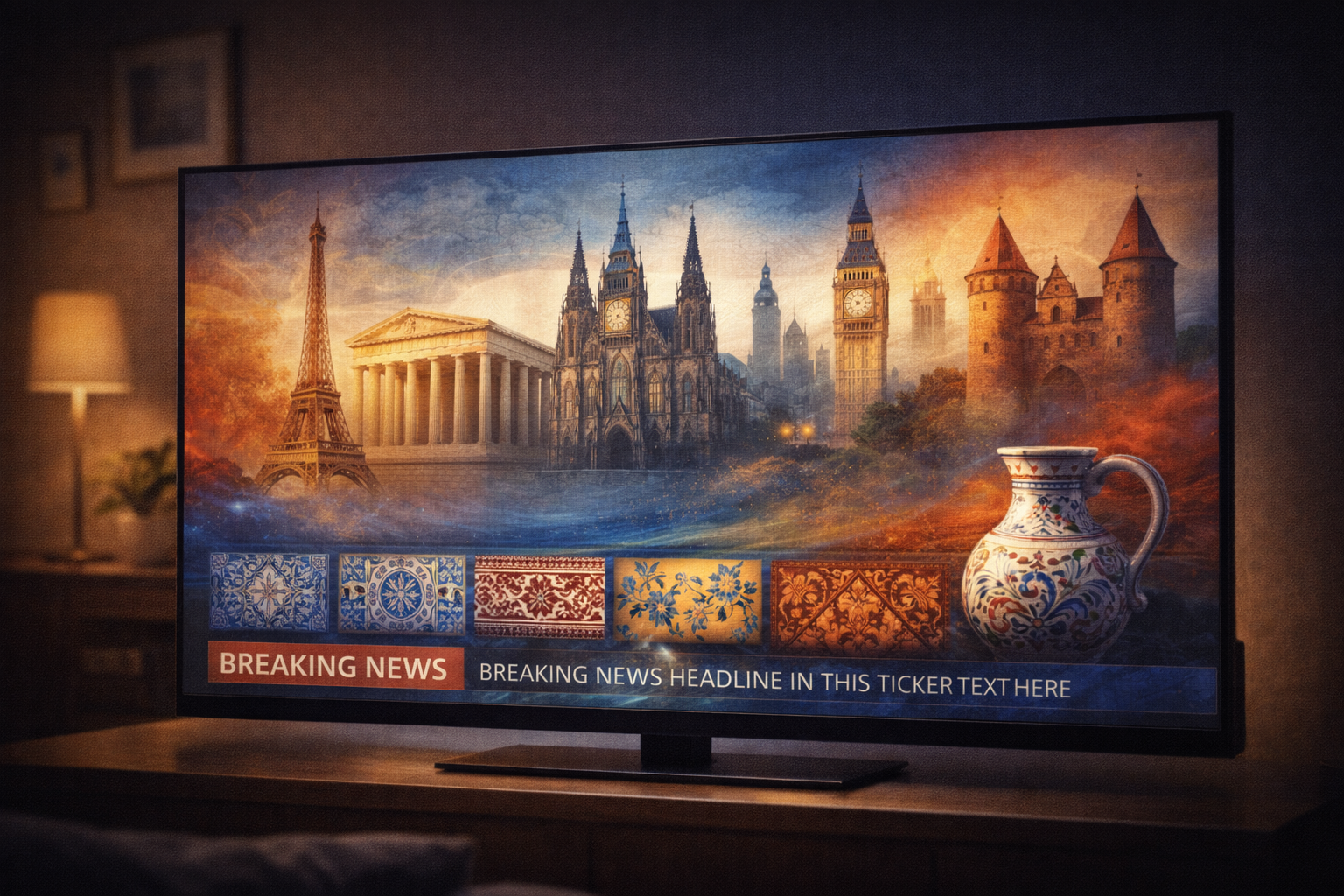
Culture rarely competes for attention the way entertainment does. It moves quietly, often in the background of everyday life. Across Europe, cultural television channels play exactly this kind of role. They do not chase trends or viral moments. Instead, they preserve language, memory, and identity through steady and familiar media presence.
In 2026, cultural TV channels remain an essential part of Europe’s media landscape. This article explores how these channels help preserve identity, why their relevance extends beyond ratings, and how they continue to shape cultural continuity in a rapidly changing media environment.
Table of Contents
- What cultural TV channels represent in Europe
- The link between media and identity
- Language as the foundation of culture
- Culture through everyday television
- Shared memory and collective experience
- Regional diversity within European culture
- Why cultural TV moves at a slower pace
- Education without pressure
- Connecting generations through media
- Cultural TV in the digital era
- Why cultural channels still matter in 2026
- The future of cultural preservation on TV
- Reality Check
- Final Verdict
- FAQ
What cultural TV channels represent in Europe
Cultural TV channels are not defined by genre alone. They are defined by purpose. Their goal is not to dominate ratings, but to reflect and preserve cultural context.
Across Europe, these channels often focus on:
- history and heritage
- language and literature
- arts, music, and performance
- regional traditions and stories
They act as cultural mirrors rather than entertainment engines.
The link between media and identity
Media plays a powerful role in shaping identity. What people see regularly influences how they understand themselves and their place in society. Cultural TV channels reinforce identity by presenting familiar narratives, symbols, and values.
In multilingual and diverse European societies, this role becomes especially important. Cultural channels provide continuity in an environment of constant change.
Language as the foundation of culture
Language is one of the strongest carriers of identity. Cultural TV channels often broadcast in local or regional languages, helping preserve linguistic diversity.
This is not only about communication. It is about maintaining nuance, humor, and expression that cannot be fully translated. Through regular exposure, viewers stay connected to their linguistic roots.
Culture through everyday television
Cultural preservation does not always happen through special events. It happens through repetition. When cultural content becomes part of daily viewing, it reinforces familiarity and belonging.
Cultural TV channels often serve as background companions, subtly reinforcing cultural references without demanding full attention.
Shared memory and collective experience
Television contributes to shared memory. Cultural channels replay historical moments, document traditions, and archive stories that might otherwise fade.
These shared references create a sense of collective experience. They allow different generations to recognize the same symbols and narratives.
Regional diversity within European culture
Europe is not culturally uniform. Regional identities play a major role in everyday life. Cultural TV channels often highlight regional diversity, showing how local traditions coexist within broader national frameworks.
This representation validates local identity and prevents cultural flattening.
Why cultural TV moves at a slower pace
Cultural television rarely moves fast. It does not chase breaking news or viral formats. This slower pace allows for reflection rather than reaction.
Viewers often turn to cultural channels when they want depth, context, and continuity instead of immediacy.
Education without pressure
Cultural TV channels often educate without feeling like education. They introduce history, art, and ideas through storytelling rather than instruction.
This gentle approach encourages curiosity without overwhelming viewers. It allows learning to happen naturally.
Connecting generations through media
Cultural television often serves as a bridge between generations. Older viewers recognize familiar traditions. Younger viewers discover cultural context they may not encounter elsewhere.
This shared media space helps maintain continuity across age groups.
Cultural TV in the digital era
Digital platforms changed how content is accessed, but they did not remove the need for cultural continuity. Cultural TV channels adapted by maintaining their core mission while embracing digital distribution where appropriate.
The focus remains on preservation rather than performance metrics.
Why cultural channels still matter in 2026
In a fragmented media environment, cultural TV channels provide stability. They remind viewers where stories come from and why shared heritage matters.
Their relevance lies not in popularity, but in purpose.
The future of cultural preservation on TV
Cultural TV channels will likely remain part of Europe’s media ecosystem. As content becomes increasingly personalized, the value of shared cultural reference points increases.
Television remains one of the few media forms capable of maintaining that shared space.
Reality Check
Cultural TV channels do not compete for attention. They preserve meaning. In Europe, identity remains deeply connected to language, history, and shared stories.
Final Verdict
Cultural TV channels in Europe continue to preserve identity through steady, meaningful media presence. By focusing on language, heritage, and shared memory, they remain a quiet but essential pillar of European television in 2026.
FAQ
What is the main role of cultural TV channels?
To preserve language, heritage, and cultural identity through media.
Are cultural TV channels still relevant in 2026?
Yes. Their relevance lies in cultural continuity rather than popularity.
Do cultural channels attract younger audiences?
Yes, especially when content connects tradition with modern storytelling.
How do cultural channels differ from entertainment channels?
They focus on preservation and context rather than trends and ratings.
Is this topic safe for AdSense and GEO?
Yes. The article is educational, neutral, and policy-safe.