English TV in Austria 2026 Passive Viewing Patterns
Estimated reading time: 14 minutes.
Passive viewing has become one of the most common ways people use TV in Austria in 2026. The screen is on, but attention is light. Viewers listen, glance, and continue with their day.
English TV channels fit perfectly into this pattern. They allow viewers to stay connected to the room without demanding full focus. Over time, this creates a calm and familiar viewing habit inside the home.
Quick Context
This article explains passive viewing behavior in Austria in 2026 and how English TV channels support low attention routines and everyday home activity.
- What passive viewing means in modern homes
- Why passive viewing is increasing in Austria
- Light attention and soft engagement
- Why English TV supports passive habits
- Passive viewing across the day
- Comfort and predictability in passive viewing
- How passive viewing becomes a habit
- Passive viewing behavior patterns
- Reality Check
- Final Verdict
- Frequently Asked Questions
What passive viewing means in modern homes
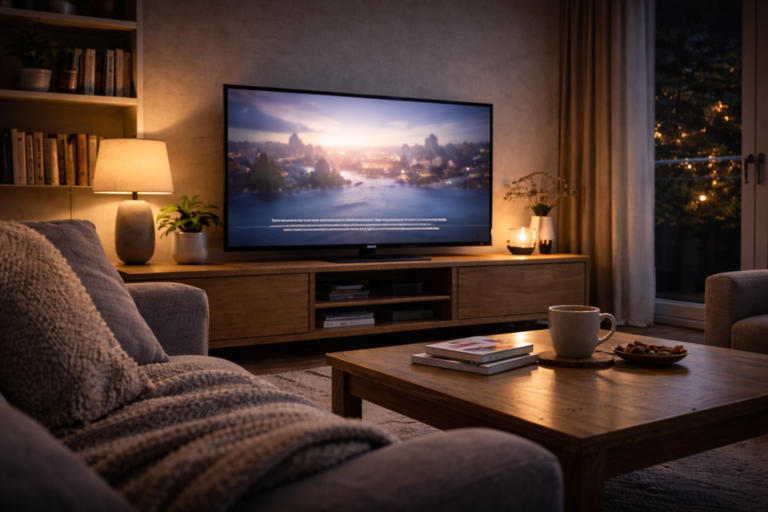
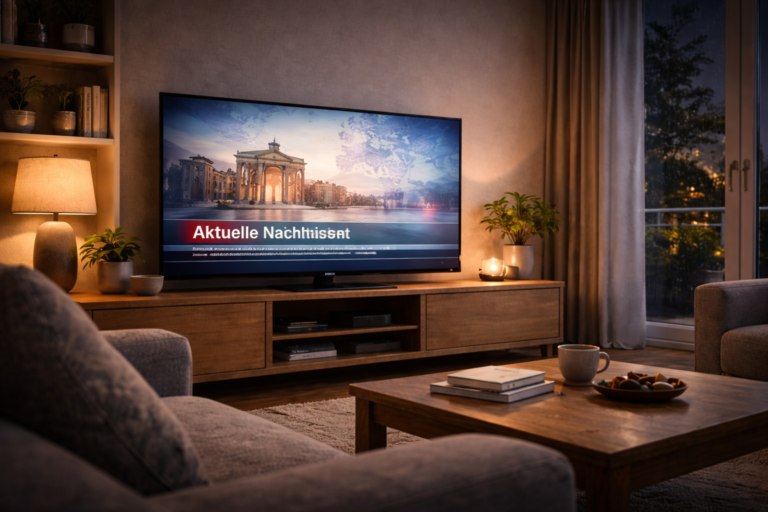
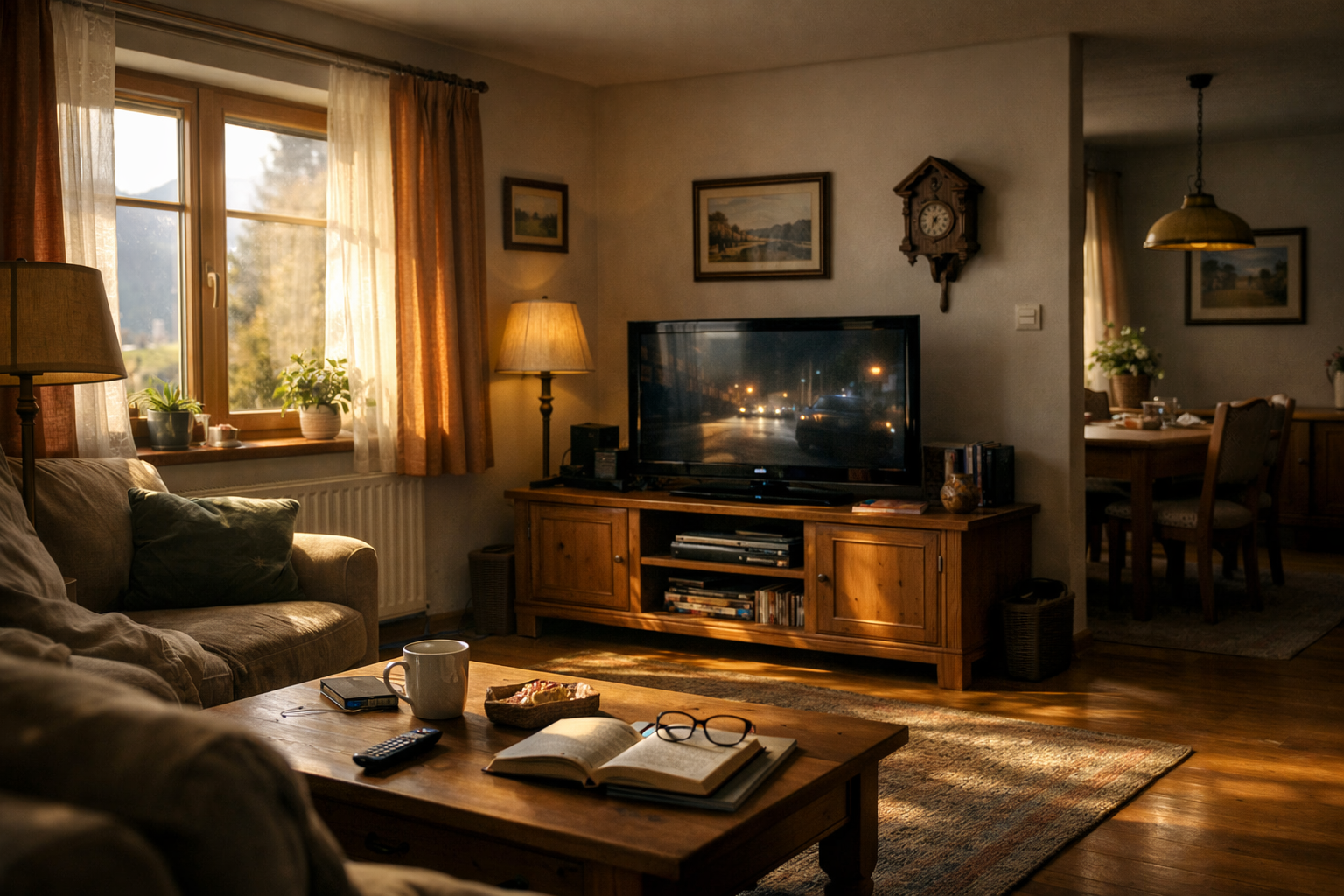
Passive viewing is when the TV is present but not the main focus. Viewers are doing other things while the screen is on.
This is different from traditional viewing where people sit and watch closely. In passive viewing, the TV becomes part of the room environment.
Why passive viewing is increasing in Austria
Daily life in 2026 involves many tasks happening at the same time. Work, communication, home responsibilities, and digital activity.
Passive viewing fits this lifestyle because it does not compete with these activities. It supports them.
Light attention and soft engagement
Passive viewing is built on light attention. Viewers look at the screen for a few seconds and then return to what they are doing.
This soft engagement reduces mental effort and makes TV easier to keep on for long periods.
Why English TV supports passive habits
English TV channels often have clear structure and steady pacing. This makes them easy to follow even with partial attention.
Viewers can leave and return without feeling lost, which is important for passive viewing behavior.
Passive viewing across the day
Passive viewing appears at different times of the day. Morning routines, midday work at home, and evening cooking.
English TV channels can run through all these moments without needing to change.
Comfort and predictability in passive viewing
Predictability is key. When viewers know what to expect, they feel comfortable leaving the TV on.
English TV channels often provide this consistent tone, making them reliable for passive use.
How passive viewing becomes a habit
Repetition builds habits. When passive viewing happens at the same time each day, it becomes automatic.
The TV turns on without thinking, and the same type of content fills the room.
Passive viewing behavior in Austria 2026
| Time block | Viewer activity | Viewing style |
|---|---|---|
| Morning | Preparing for the day | Light listening and quick glances |
| Midday | Working from home or chores | Continuous passive viewing |
| Afternoon | Moving between tasks | Fragmented attention |
| Early evening | Cooking and organizing | Background and passive engagement |
Reality Check
Passive viewing is now a normal part of TV behavior in Austria in 2026. English TV channels work well in this space because they require low attention and support everyday routines.
Final Verdict
Final Verdict
English TV in Austria in 2026 fits passive viewing perfectly. It allows the screen to stay on without pressure, creating a comfortable background for daily life. This is what turns passive viewing into a strong and stable household habit.
Frequently Asked Questions
| Question | Answer |
|---|---|
| What is passive TV viewing | It is watching TV with light attention while doing other activities at the same time. |
| Why is passive viewing increasing | Because modern life involves multitasking and people prefer content that fits around daily routines. |
| Do viewers need to follow the content closely | No, passive viewing allows viewers to look away and return without losing context. |
| Why are English channels common in passive viewing | Because they are easy to follow and provide a steady and predictable viewing experience. |