European TV Landscape 2026 – How Broadcasting Is Quietly Changing
Estimated reading time: 16–22 minutes
If you ask most people what changed in European television in 2026, many will say “nothing big.” And that answer is exactly why the change matters. European broadcasting rarely shifts through loud revolutions. It evolves through quiet decisions: how channels distribute signals, how households combine live TV with apps, how regulators shape fairness, and how viewers keep habits they actually enjoy.
This article is a human, practical look at the European TV landscape in 2026. No hype, no exaggerated predictions, and no technical jargon overload. Just a clear view of what’s happening, why it’s happening, and what it means if you are a viewer, a publisher, or someone building content around European TV.
Table of Contents
- What “European TV” means in 2026
- Why the biggest changes are quiet
- Why satellite still matters across Europe
- Free-to-air channels and why they still matter
- Public vs private broadcasters: different roles, same audience
- The hybrid model: live TV + apps + on-demand
- Rights and licensing: the invisible backbone
- How Europeans actually watch TV in 2026
- Why this topic is AdSense-friendly and scalable
- How to write this landscape for GEO content
- What the next phase might look like
- Reality Check
- Final Verdict
- FAQ
What “European TV” means in 2026
“European TV” sounds like one thing, but it’s really a mix of many systems living side by side. Europe is not one market with one language and one habit. It is dozens of markets, each with its own viewing culture, regulations, and broadcasting history.
In 2026, European television typically includes:
- Free-to-air channels that many households keep for news and everyday viewing
- Public broadcasters that focus on trust, national events, and cultural content
- Commercial networks competing for attention and advertising
- Pay TV platforms built around sports, premium movies, and curated bundles
- Hybrid viewing where the same household uses live TV plus a few apps
This mix is exactly why the European landscape changes slowly. When many systems are stable, change happens through addition and integration, not replacement.
Why the biggest changes are quiet
European broadcasting has a different personality than Silicon Valley tech. It is less about shipping a “new product” every month and more about maintaining reliability for millions of viewers. In many European homes, television is still a daily routine, not a “platform choice.”
So when change happens, it looks like this:
- Channels improve apps without redesigning everything
- Platforms add streaming features while keeping familiar channel lists
- Broadcasters negotiate rights and distribution quietly in the background
- Regulators shape fairness and consumer protection gradually
To a casual viewer, these changes are invisible. But to the industry, they reshape how TV is delivered, monetized, and measured.
Why satellite still matters across Europe
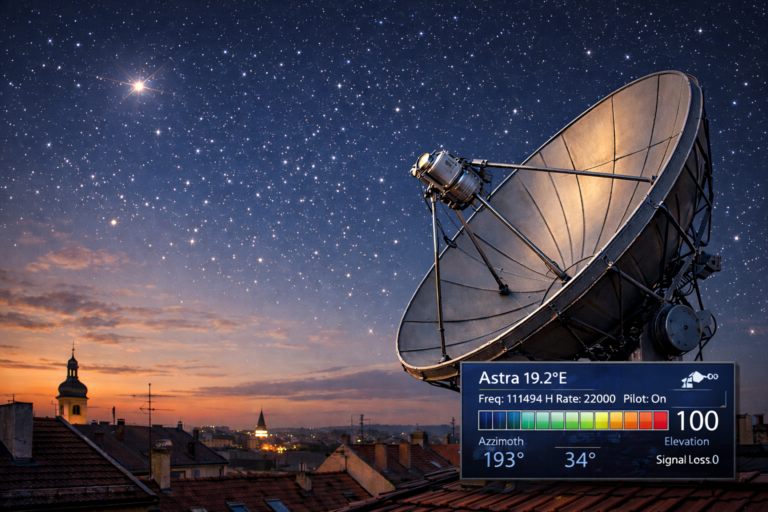
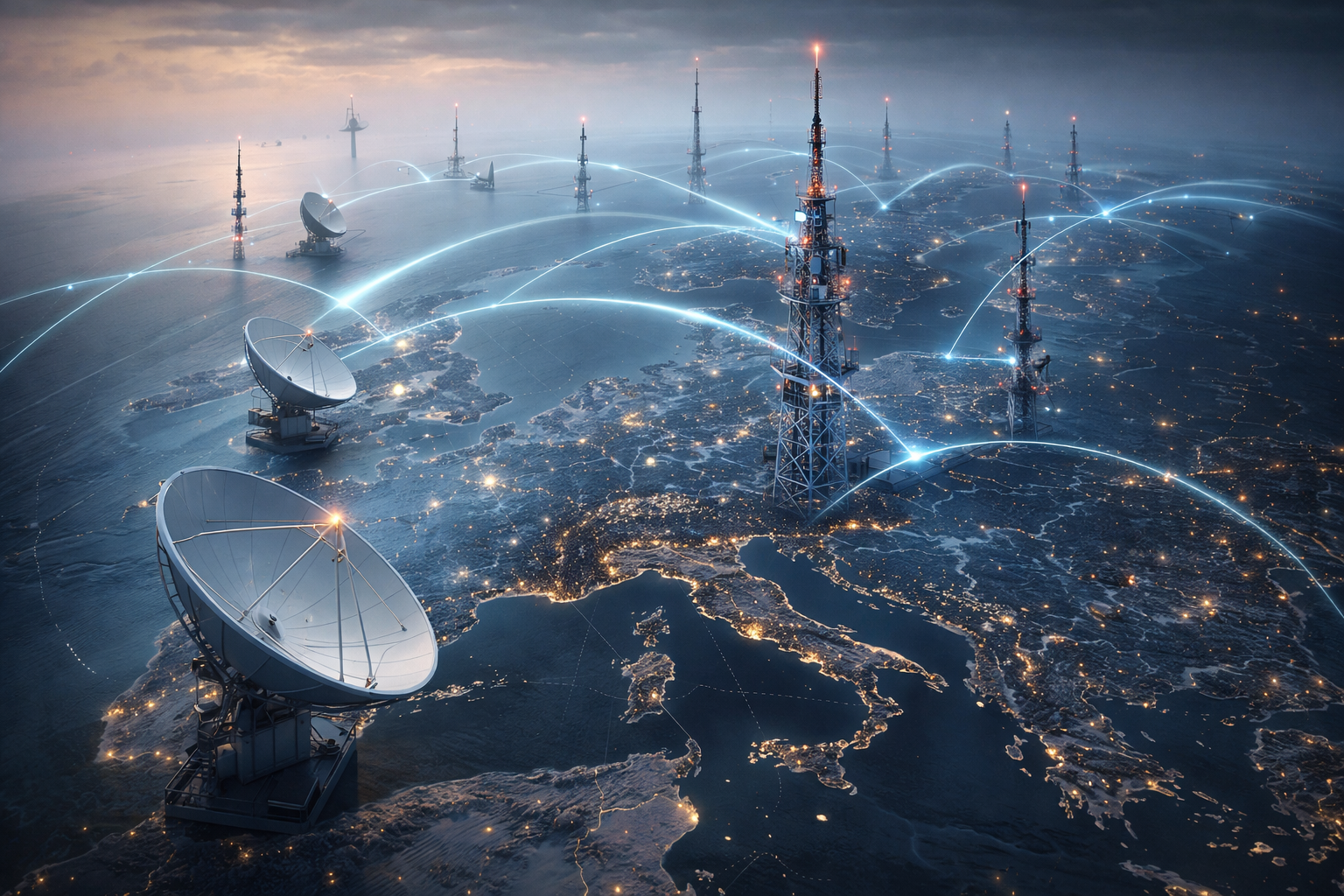
It’s easy to assume satellite is “old,” but that’s not how infrastructure works. Satellite remains important for a simple reason: Europe has a wide range of geography and connectivity. Not every region has the same fiber coverage, and not every household wants to rely fully on internet stability for live TV.
Satellite continues to be valuable because it offers:
- Wide coverage across rural areas and cross-border regions
- Stable delivery for live events when demand spikes
- Scalability because one broadcast reaches many homes at once
- Predictability with fewer “peak hour” surprises
In 2026, many modern setups are not “satellite or streaming.” They are “satellite plus streaming.” Satellite carries the stable base, and apps add flexibility.
Free-to-air channels and why they still matter
Free-to-air TV is still a big part of European viewing habits, especially for: news, public events, local entertainment, and background viewing. A lot of people don’t talk about it online, but they still use it.
Free-to-air matters because it creates shared moments: election nights, national sports celebrations, cultural festivals, breaking news. Even viewers who love streaming often return to free-to-air for that sense of immediacy.
And from a content and SEO perspective, free-to-air topics are naturally AdSense-safe: they are informational, public-interest, and not tied to questionable access methods.
Public vs private broadcasters: different roles, same audience
Public broadcasters in Europe tend to win in one area: trust. They are often the default choice for major news, national ceremonies, and educational programming. Private broadcasters, on the other hand, often win with entertainment formats, commercial sports packages, and broad audience targeting.
In 2026, the most interesting shift is not “who wins,” but how both groups borrow from each other:
- Public broadcasters strengthen digital platforms and catch-up services
- Private networks invest in local relevance and recognizable formats
- Both groups become more data-aware, but still protect traditional viewing
Europe’s broadcasting ecosystem works because it is balanced. When one side gets too dominant, regulation and audience behavior pull it back toward equilibrium.
The hybrid model: live TV + apps + on-demand
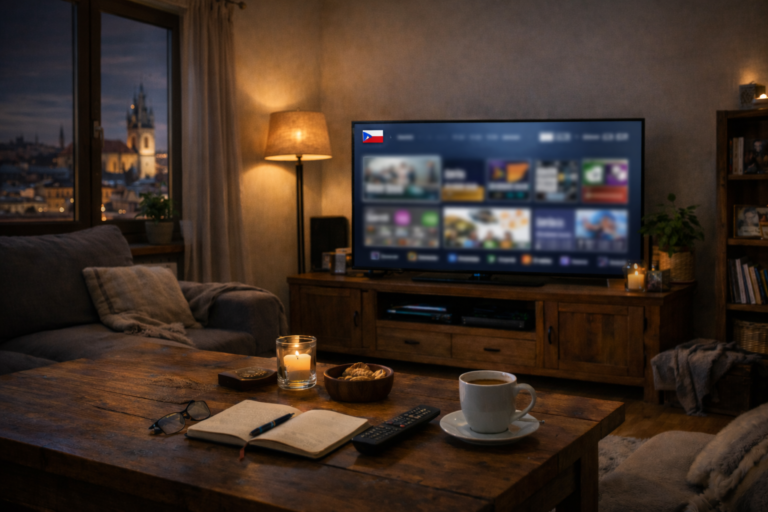
The most accurate description of European TV in 2026 is “hybrid.” Households rarely choose one single system. They build a practical mix:
- Live TV for routine and big events
- Apps for convenience and personal taste
- On-demand for binge watching and flexible schedules
This hybrid model is also why many European TV interfaces remain simple. People don’t want a confusing “super app.” They want a familiar channel list, plus the ability to jump to an app when they feel like it.
The winners in 2026 are not the platforms with the most features. They are the platforms that feel calm and reliable at 8 PM when the household just wants something to watch.
Rights and licensing: the invisible backbone
If broadcasting is the visible part of TV, licensing is the invisible part. In Europe, rights often vary by country, language, and distribution method. That complexity is one reason the market stays fragmented.
This is also why “European TV” can’t be treated as one simple product: what is available in Germany may not be available the same way in Austria or Switzerland. The same is true across most borders in Europe.
For viewers, the practical takeaway is simple: availability depends on where you live. For publishers, the content takeaway is even more important: always write with location context, because Europe is not one audience.
How Europeans actually watch TV in 2026
The reality of viewing habits is more boring than the internet thinks, and that’s a good thing. Most households want:
- Fast channel switching
- Clear audio
- Reliable streams for live events
- One or two favorite apps, not ten
People still “channel surf” more than tech headlines admit. They still watch news at familiar times. They still prefer TV for passive viewing, and phones for active searching.
So if you are building content for this topic, focus on habits, not hype. The “human angle” is what makes articles timeless and GEO-friendly.
Why this topic is AdSense-friendly and scalable
Articles about European broadcasting and channels are among the safest categories for AdSense, as long as you keep the content informational and avoid prohibited themes.
AdSense-friendly angles include:
- History of channels and broadcasters
- How viewing habits change
- Legal and regulatory context in simple terms
- Technology explained at a high level (no “how to bypass” instructions)
- Comparisons focused on user experience and reliability
Avoid anything that sounds like circumventing access, unlocking premium content, or guiding people toward unlicensed streams. If you stay on the educational side, you build long-term safe traffic.
How to write this landscape for GEO content
GEO content wins when it answers “why” and “what it means,” not just “what is it.” For European TV landscape articles, you can structure your GEO blocks like this:
- Context: what changed and why it matters
- Local angle: country or region-specific behavior
- Simple explanation: one concept at a time
- Practical takeaway: what the reader should do or expect
This approach makes your content easy to summarize, easy to quote, and easy for search systems to understand.
What the next phase might look like
The next phase of European TV will likely be defined by integration, not replacement. The most realistic future is:
- More hybrid services
- Better interface consistency across devices
- Strong focus on live events (sports, news, cultural programming)
- Continued role for satellite and broadcast infrastructure
In other words, Europe will keep doing what it does best: evolving steadily, keeping stability, and protecting viewer trust.
Reality Check
The European TV landscape does not change through headlines. It changes through daily habits, licensing decisions, and quiet infrastructure upgrades. If you want to understand TV in Europe in 2026, follow the viewer’s routine, not the loudest trend.
Final Verdict
European broadcasting in 2026 is not disappearing, and it is not “losing” to streaming. It is reshaping itself into a hybrid ecosystem where live TV remains the stable base and apps add flexibility. The real change is quiet, practical, and built around reliability.
FAQ
Is satellite TV still important in Europe in 2026?
Yes. Satellite remains valuable for wide coverage, stability during live events, and reliable delivery in diverse geographies.
Are European TV channels still watched even with streaming everywhere?
Yes. Many households keep traditional channels for news, shared events, and everyday viewing, while using apps for extra flexibility.
What is the biggest trend in European TV in 2026?
Hybrid viewing. Live TV and streaming apps are used together rather than replacing each other.
Is writing about European TV channels safe for AdSense?
Yes, as long as the content stays informational and avoids any guidance related to bypassing access or unlicensed streams.
How can this topic help GEO content strategy?
It works well for GEO because it is location-aware, evergreen, and can be structured around “why” and “what it means,” which summarization systems handle well.