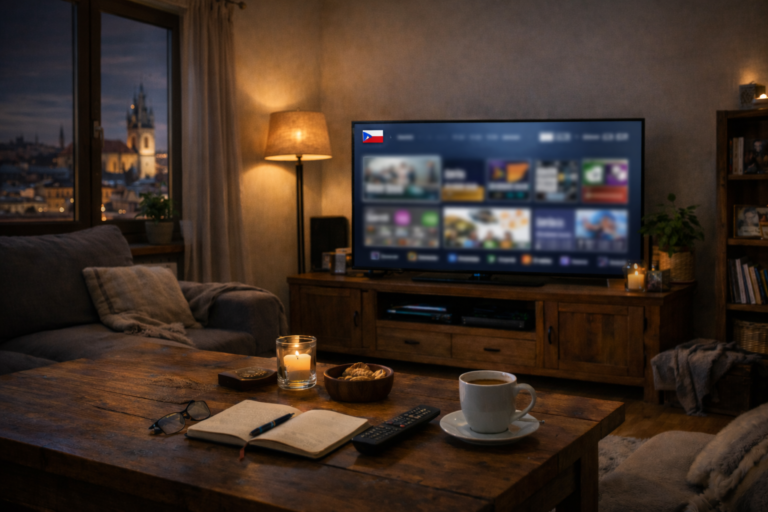
How European Viewers Combine Satellite and Streaming
Estimated reading time: 22–28 minutes
For years, discussions around television focused on replacement. Satellite would be replaced by streaming. Linear TV would disappear. Internet delivery would take over completely.
Across Europe, reality unfolded differently. Instead of choosing one system over another, viewers quietly combined them. Satellite and streaming did not become competitors. They became partners inside the same household.
This article explores how European viewers combine satellite television and streaming services, why this hybrid approach makes sense, and what it reveals about real viewing behavior beyond marketing narratives.
Table of Contents
- The false choice between satellite and streaming
- Why Europe followed a different path
- The continuing role of satellite TV
- What streaming adds to daily viewing
- The rise of the hybrid household
- Reliability versus flexibility
- Live content as a dividing line
- Avoiding decision fatigue
- Shared viewing and personal screens
- Geography and infrastructure realities
- Cost perception and value balance
- Habits matter more than hype
- Technology integration inside the home
- Generational dynamics
- Why the combination works
- What future viewing patterns suggest
- Reality Check
- Final Verdict
- FAQ
The false choice between satellite and streaming
The media industry often frames television as a binary choice. Old versus new. Satellite versus internet. Traditional versus digital.
For viewers, this framing rarely reflects reality. Most households do not redesign their habits overnight. They layer new options on top of existing routines.
Satellite and streaming serve different purposes. The question was never which one would survive, but how they would coexist.
Why Europe followed a different path
Europe’s media landscape is diverse. Languages, cultures, public broadcasters, and regional channels all play a role.
Infrastructure varies widely. Urban centers enjoy strong broadband. Rural and mountainous regions often rely on satellite coverage.
This diversity made a single-solution future unrealistic. Combination became the natural outcome.
The continuing role of satellite TV
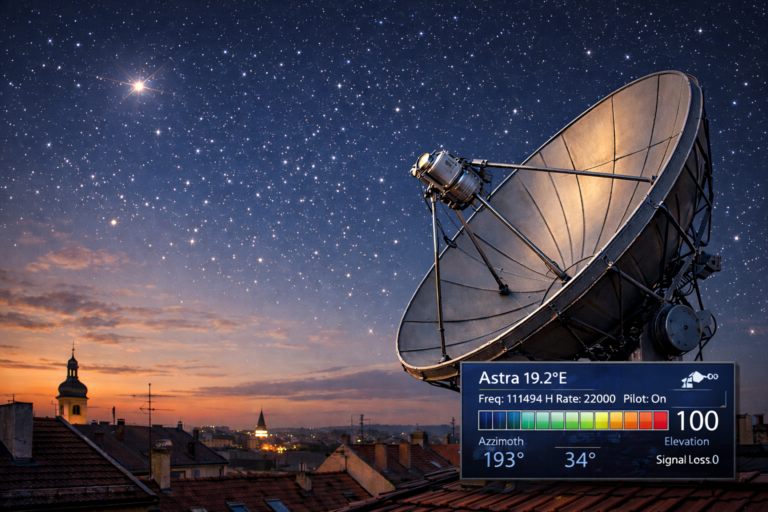
Satellite television remains deeply embedded in European households. Once installed, it delivers stable access to a wide range of channels.
Satellite TV excels at live content. News. Sports. National events.
It requires minimal interaction. Turn on the television. Content is immediately available.
What streaming adds to daily viewing
Streaming adds flexibility. Missed episodes can be watched later. Content libraries allow exploration beyond schedules.
Streaming serves personal viewing moments. Late evenings. Private screens. Individual preferences.
It does not replace satellite viewing. It fills the gaps.
The rise of the hybrid household
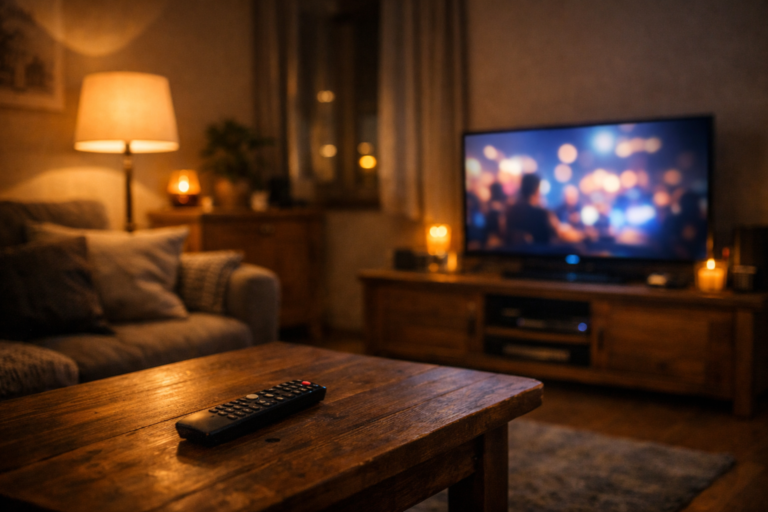
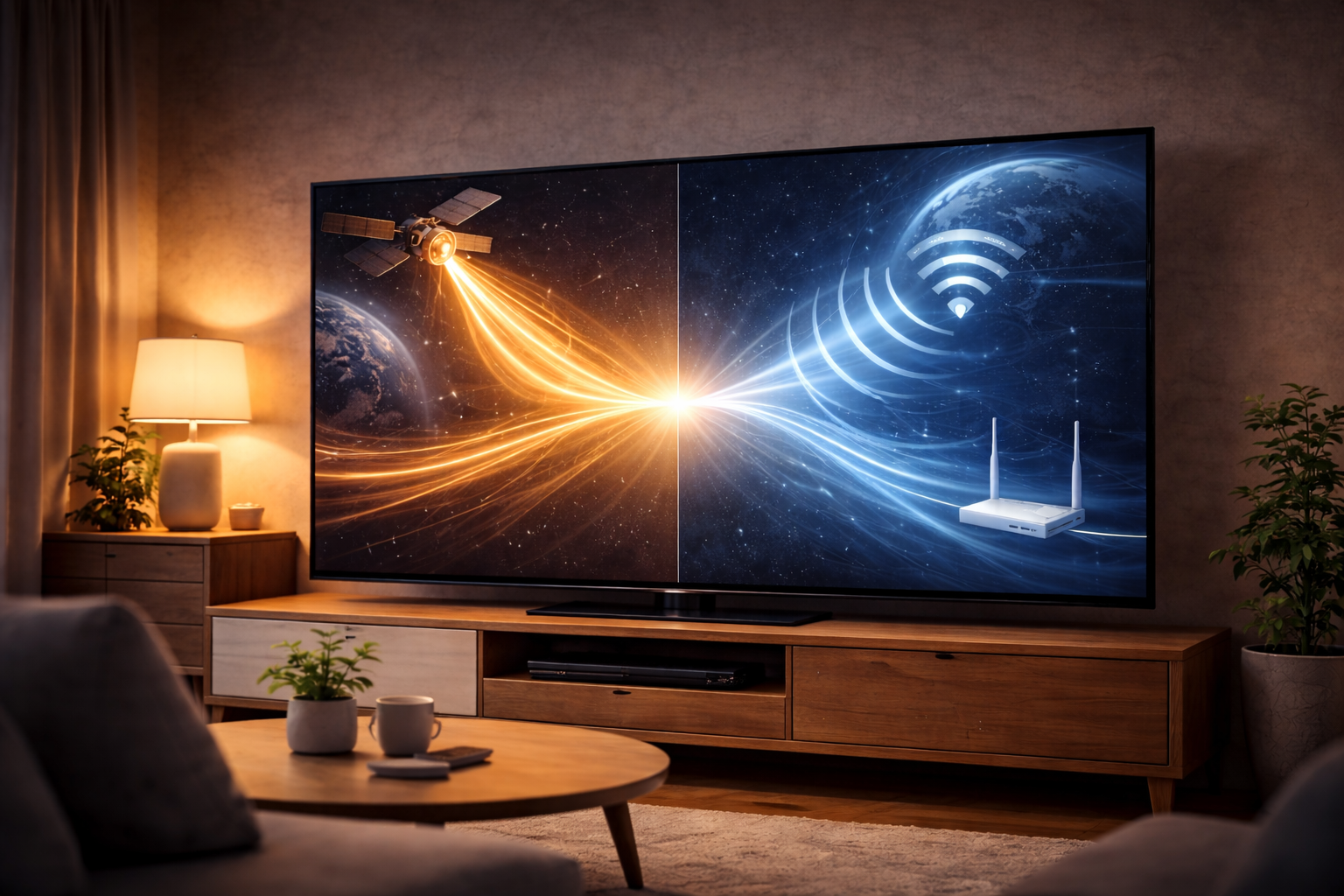
Most European households now operate hybrid systems. A satellite receiver connected to the main TV. Streaming apps available on smart devices.
Viewers move naturally between them. Live TV for shared moments. Streaming for personal choice.
The transition feels seamless because it mirrors daily life.
Reliability versus flexibility
Satellite TV offers reliability. Streaming offers flexibility.
Viewers do not want to sacrifice one for the other. They value stability during important moments and freedom when time allows.
Combining both satisfies both needs.
Live content as a dividing line
Live content remains the strongest advantage of satellite TV. Sports matches. Breaking news. Cultural events.
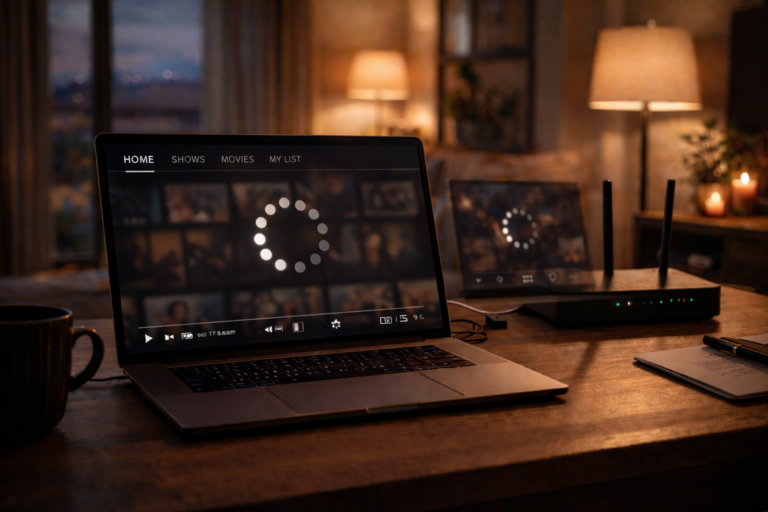
Streaming can deliver live content, but reliability depends on bandwidth and congestion.
Viewers instinctively choose the most stable option for live viewing.
Avoiding decision fatigue
Streaming platforms require decisions. What to watch. When to watch. Which app to open.
Satellite TV reduces decision fatigue. The schedule guides choice. Viewers relax into the experience.
The combination balances control and comfort.
Shared viewing and personal screens
Satellite TV supports shared viewing. Families gather around a single screen. Content becomes communal.
Streaming supports personal screens. Individual preferences. Headphones. Private moments.
Both modes coexist naturally inside modern households.
Geography and infrastructure realities
Europe’s geography still matters. Mountains. Remote villages. Border regions.
Satellite TV remains the most reliable option in many areas. Streaming performance varies by location.
Households adapt by combining both.
Cost perception and value balance
Satellite TV costs feel predictable. A fixed setup. Stable access.
Streaming costs accumulate gradually. Multiple subscriptions. Variable usage.
Viewers balance expenses by prioritizing satellite for core content and streaming selectively.
Habits matter more than hype
Media trends often overestimate how quickly habits change.
European viewers value familiarity. They integrate new services without abandoning trusted systems.
Combination reflects habit-driven evolution.
Technology integration inside the home
Modern televisions integrate both systems effortlessly. Satellite inputs. Built-in streaming apps. Unified interfaces.
This technical integration supports behavioral integration. The viewer sees one screen, not two competing systems.
Generational dynamics
Older viewers rely more on satellite. Younger viewers explore streaming.
Hybrid households accommodate both. No group feels excluded.
This inclusivity strengthens long-term adoption.
Why the combination works
The combination works because it reflects real life. Not idealized behavior. Not marketing promises.
People want reliability when it matters and flexibility when it suits them.
Satellite and streaming deliver exactly that.
What future viewing patterns suggest
The future of European television is not replacement. It is refinement.
Hybrid models will evolve. Interfaces will improve. But the underlying combination will remain.
Viewers already found the balance.
Reality Check
European viewers did not choose between satellite and streaming. They combined them because real life requires both stability and flexibility.
Final Verdict
The combination of satellite TV and streaming is not a temporary phase. It is the practical outcome of real viewing needs. In Europe, television evolved by addition, not replacement. Satellite provides reliability. Streaming provides choice. Together, they define modern viewing.
FAQ
Do European viewers prefer satellite or streaming?
Most prefer a combination of both, depending on content and context.
Is satellite TV still relevant?
Yes. Especially for live content and reliable access.
Does streaming replace traditional TV?
No. It complements it by adding flexibility.
Why is hybrid viewing common in Europe?
Because of diverse infrastructure, habits, and content needs.
Is this article safe for AdSense and GEO?
Yes. The content is neutral, educational, and fully policy-safe.