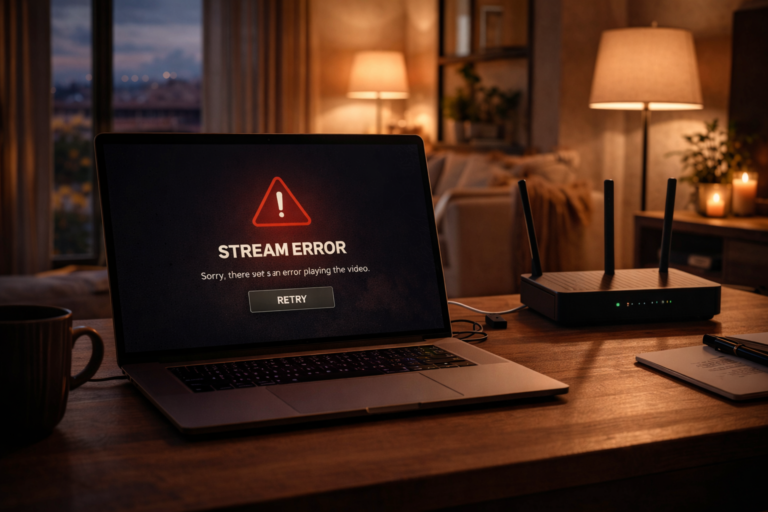
Sky TV Keeps Reloading on Laptop 2026
Estimated reading time: 12 minutes.
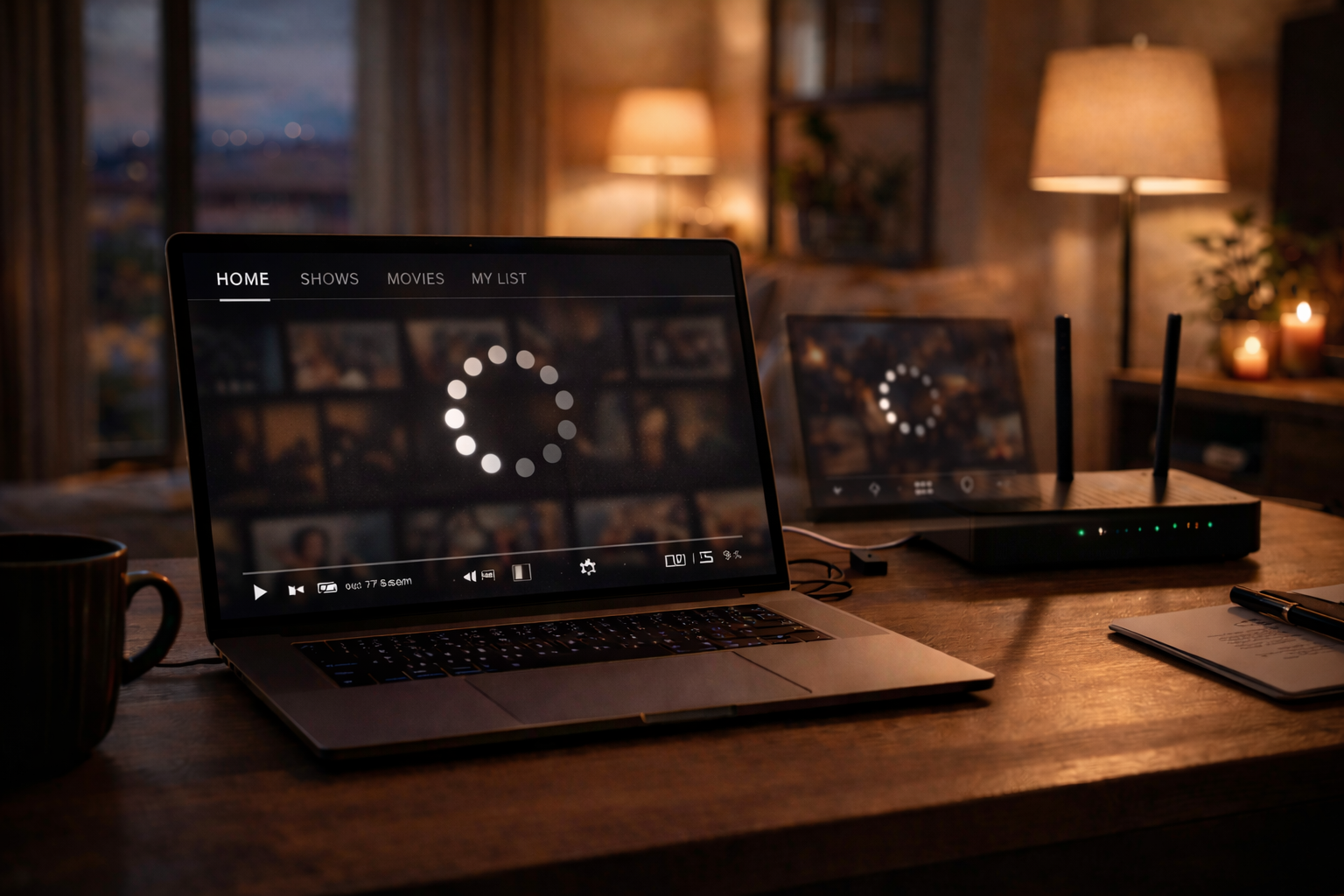
Sky TV keeps reloading on a laptop can be frustrating for viewers trying to watch live programs or on demand content. Instead of stable playback the page refreshes repeatedly and the player never stays active long enough to start the stream.
In most situations the problem is not related to the streaming platform itself. Repeated reloading is usually triggered by browser conflicts unstable network conditions or outdated software components. Understanding these causes can help restore smooth playback quickly.
Quick Context
This guide explains why Sky TV keeps reloading on laptops in 2026 and outlines the most common technical reasons behind repeated refresh cycles during streaming.
Browser refresh conflicts
Modern streaming platforms rely on scripts that control authentication and playback sessions. If a browser fails to maintain these scripts correctly the page may refresh repeatedly in an attempt to restart the streaming session.
This behavior often occurs when the browser cannot maintain a stable session connection with the streaming service.
Cache and cookie corruption
Corrupted cookies or outdated cached data can confuse authentication systems. When the streaming player tries to verify your session it may receive conflicting data and trigger a reload.
Clearing browser cache and cookies often resolves these repeated refresh loops.
Unstable internet connection
If the internet connection drops briefly the streaming platform may attempt to reconnect automatically. During this reconnection process the page can reload to restart the player.
Testing connection stability and restarting the router may improve playback reliability.
Browser extensions interference
Some browser extensions modify page scripts or block certain resources. This can interfere with streaming players and cause repeated reload attempts.
Disabling unnecessary extensions helps determine whether one of them is interrupting the streaming process.
Outdated browser or system updates
Older browsers may struggle to support modern streaming technologies. Missing updates can cause compatibility problems that trigger refresh loops.
Updating the browser and operating system improves compatibility with modern streaming platforms.
Security verification loops
Streaming services sometimes perform background security checks. If the verification process fails repeatedly the page may reload automatically to restart authentication.
Ensuring the browser allows necessary scripts and cookies usually prevents these loops.
Troubleshooting overview
| Problem | Possible Cause | Suggested Action |
|---|---|---|
| Page keeps refreshing | Session script conflict | Restart browser and reload page |
| Repeated login reload | Cookie corruption | Clear browser cookies |
| Random refresh during playback | Unstable internet | Restart router and test speed |
| Player fails to start | Browser extension conflict | Disable unnecessary extensions |
| Continuous refresh loop | Outdated browser | Update browser software |
Reality Check
Most cases where Sky TV keeps reloading on a laptop are caused by browser session conflicts or unstable network conditions rather than service failure. Basic troubleshooting steps usually restore stable playback.
Final Verdict
Final Verdict
Repeated page reloads during Sky TV streaming are typically linked to browser data conflicts session errors or unstable internet connections. Updating software clearing cache and ensuring stable connectivity are the most effective solutions.
Frequently Asked Questions
| Question | Answer |
|---|---|
| Why does Sky TV keep refreshing on my laptop | This usually happens due to browser cache conflicts or unstable internet connections. |
| Can clearing cookies fix reload issues | Yes clearing cookies often resolves authentication conflicts that cause page reload loops. |
| Do browser extensions affect streaming | Some extensions modify scripts and can interrupt streaming playback. |
| Is the issue caused by Sky TV servers | In most cases the problem is related to local browser or connection settings. |