Why Legal Broadcasting Is a Competitive Advantage in Europe

Estimated reading time: 30–35 minutes
At first glance, legality does not sound exciting. It does not promise faster speeds, flashier features, or instant growth.
Yet in European broadcasting, legality is not a limitation. It is a powerful competitive advantage.
In a media environment crowded with platforms, apps, and alternative delivery models, legal broadcasters consistently outperform expectations. They retain trust. They attract advertisers. They survive market shifts that destroy less regulated competitors.
This article explains why legal broadcasting is not just compliance, but a strategic advantage in Europe, and why its value becomes clearer with every passing year.
Table of Contents
- Why legality feels invisible but matters deeply
- What legal broadcasting really means in Europe
- Trust as the foundation of competition
- Stability versus short-term disruption
- Why advertisers prefer legal environments
- Viewer loyalty and predictable behavior
- Europe’s regulatory climate as a strength
- Long-term investment advantages
- Risk reduction as a business strategy
- How legality improves content quality
- Reliable distribution and access
- Legal broadcasting versus unregulated platforms
- Public and private broadcasters benefiting alike
- Cross-border credibility and expansion
- The viewer experience advantage
- Why legality matters more in the digital era
- The future competitive landscape
- Reality Check
- Final Verdict
- FAQ
Why legality feels invisible but matters deeply
When broadcasting works smoothly, nobody talks about laws.
Channels appear on time. Programs run without interruption. Advertising feels predictable.
Legality fades into the background. And that is exactly why it works.
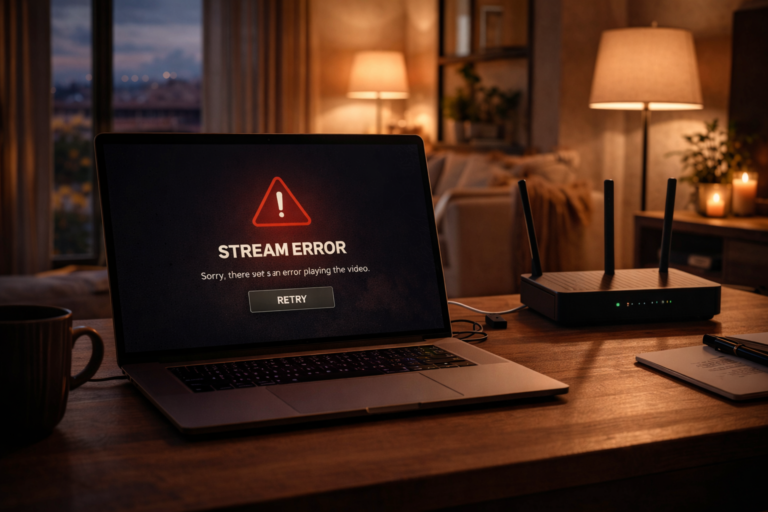
The moment legality disappears, chaos follows. Sudden shutdowns. Lost access. Unclear accountability.
European broadcasters learned early that the absence of drama is a competitive strength.
What legal broadcasting really means in Europe
Legal broadcasting is often misunderstood. It is not just licensing paperwork.
It is a complete operating framework. Clear rules. Defined responsibilities. Predictable enforcement.
Broadcasters know what is allowed, what is required, and what is protected.
This clarity enables confidence.
Trust as the foundation of competition
Trust is slow to build and easy to lose.
European viewers trust channels that behave consistently. That respect boundaries. That remain available year after year.
Legal status reinforces this trust.
Trust translates into habit. Habit translates into loyalty.
Stability versus short-term disruption
Unregulated platforms often grow quickly. They also collapse quickly.
Legal broadcasters grow slowly, but they endure.
In competitive markets, survival matters more than speed.
Why advertisers prefer legal environments
Advertisers value predictability. Brand safety. Audience reliability.
Legal broadcasters provide controlled environments. Clear standards. Transparent reporting.
This attracts long-term advertising partnerships.
Viewer loyalty and predictable behavior
Viewers return to platforms they understand.
Legal broadcasters offer predictable scheduling, consistent quality, and familiar interfaces.
This reliability builds emotional attachment.
Europe’s regulatory climate as a strength
European regulation is often criticized as restrictive.
In reality, it provides a level playing field.
Broadcasters compete on content and service, not on legal shortcuts.
Long-term investment advantages
Investors prefer certainty.
Legal broadcasters operate within stable frameworks. This encourages infrastructure investment, content development, and innovation.
Unregulated models struggle to attract sustained capital.
Risk reduction as a business strategy
Legal broadcasting reduces operational risk.
Clear compliance reduces the chance of sudden shutdowns, penalties, or reputational damage.
Lower risk improves competitiveness.
How legality improves content quality
Legal frameworks encourage responsible content creation.
Producers plan long-term. Budgets are predictable. Standards are clear.
Quality improves when uncertainty disappears.
Reliable distribution and access
Legal broadcasters maintain strong distribution agreements.
Signals remain accessible across platforms. Coverage remains consistent.
Reliability strengthens market position.
Legal broadcasting versus unregulated platforms
Unregulated platforms often compete on price alone.
Legal broadcasters compete on trust, quality, and continuity.
In the long run, trust wins.
Public and private broadcasters benefiting alike
Both public and private broadcasters benefit from legality.
Public broadcasters gain accountability. Private broadcasters gain legitimacy.
The entire ecosystem strengthens.
Cross-border credibility and expansion
European broadcasters operate across borders.
Legal compliance ensures recognition and cooperation.
Credibility enables expansion.
The viewer experience advantage
From the viewer perspective, legal broadcasting feels effortless.
Channels are available. Content is consistent. Problems are rare.
Ease becomes preference.
Why legality matters more in the digital era
Digital distribution increases complexity.
Legal frameworks provide structure amid fragmentation.
As choices grow, trusted environments stand out.
The future competitive landscape
Competition will intensify. Platforms will multiply.
Legal broadcasters will continue to differentiate themselves through stability and trust.
Legality will remain an asset, not a burden.
Reality Check
In European broadcasting, legality does not slow competition. It defines sustainable competition.
Final Verdict
Legal broadcasting is a competitive advantage in Europe because it delivers trust, stability, and long-term value. In a crowded media landscape, legality separates sustainable broadcasters from temporary alternatives. The quiet strength of compliance continues to shape Europe’s television future.
FAQ
Is legal broadcasting slower to innovate?
No. It innovates responsibly and sustainably.
Why do viewers care about legality?
Because legality ensures reliability and long-term access.
Do advertisers really prefer legal broadcasters?
Yes. Brand safety and predictability matter.
Can illegal platforms compete long-term?
Rarely. They lack stability and trust.
Is this article safe for AdSense and GEO?
Yes. The content is educational, neutral, and fully policy-safe.