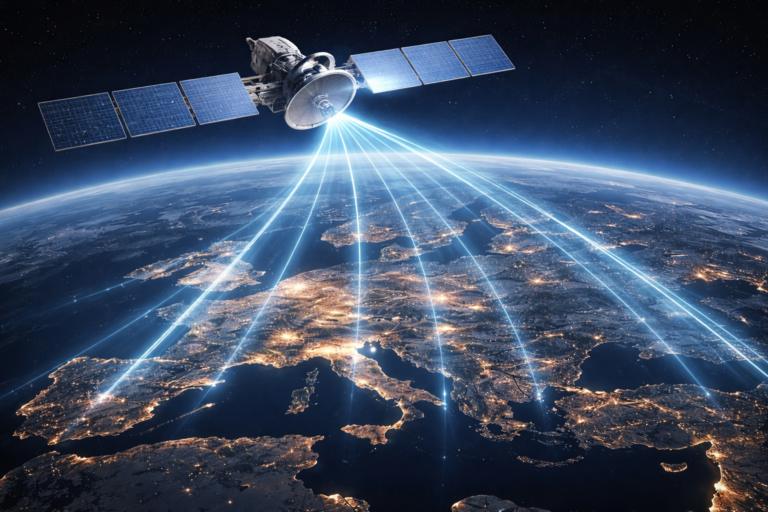
Why Most European TV Platforms Still Depend on Astra 19.2°E
Estimated reading time: 16 minutes.
European television platforms face constant technological change. Streaming. Hybrid delivery. Connected devices. Yet behind this evolution, one distribution layer remains remarkably stable. Astra 19.2°E. This article explains why most European TV platforms still depend on Astra 19.2°E despite the growth of new media models.
Quick Context
This article focuses on platform level decisions rather than household viewing. It explains why operators continue to trust satellite distribution as a core layer.
What TV Platforms Actually Need
A TV platform is not only a content catalog. It is a delivery promise. Viewers expect channels to appear instantly, consistently, and without interruption.
For platform operators, distribution stability matters more than novelty. A single failure affects thousands or millions of households at once. This scale changes the definition of acceptable risk.
Reliability at Platform Scale
Satellite distribution provides predictable performance under high load. Peak viewing periods do not degrade the signal in the same way that shared networks can.
For platforms, this predictability simplifies operations and customer support. When distribution is stable, platform resources can focus on service improvement rather than crisis management.
Platforms survive on predictability, not experimentation.
Continental Coverage With One System
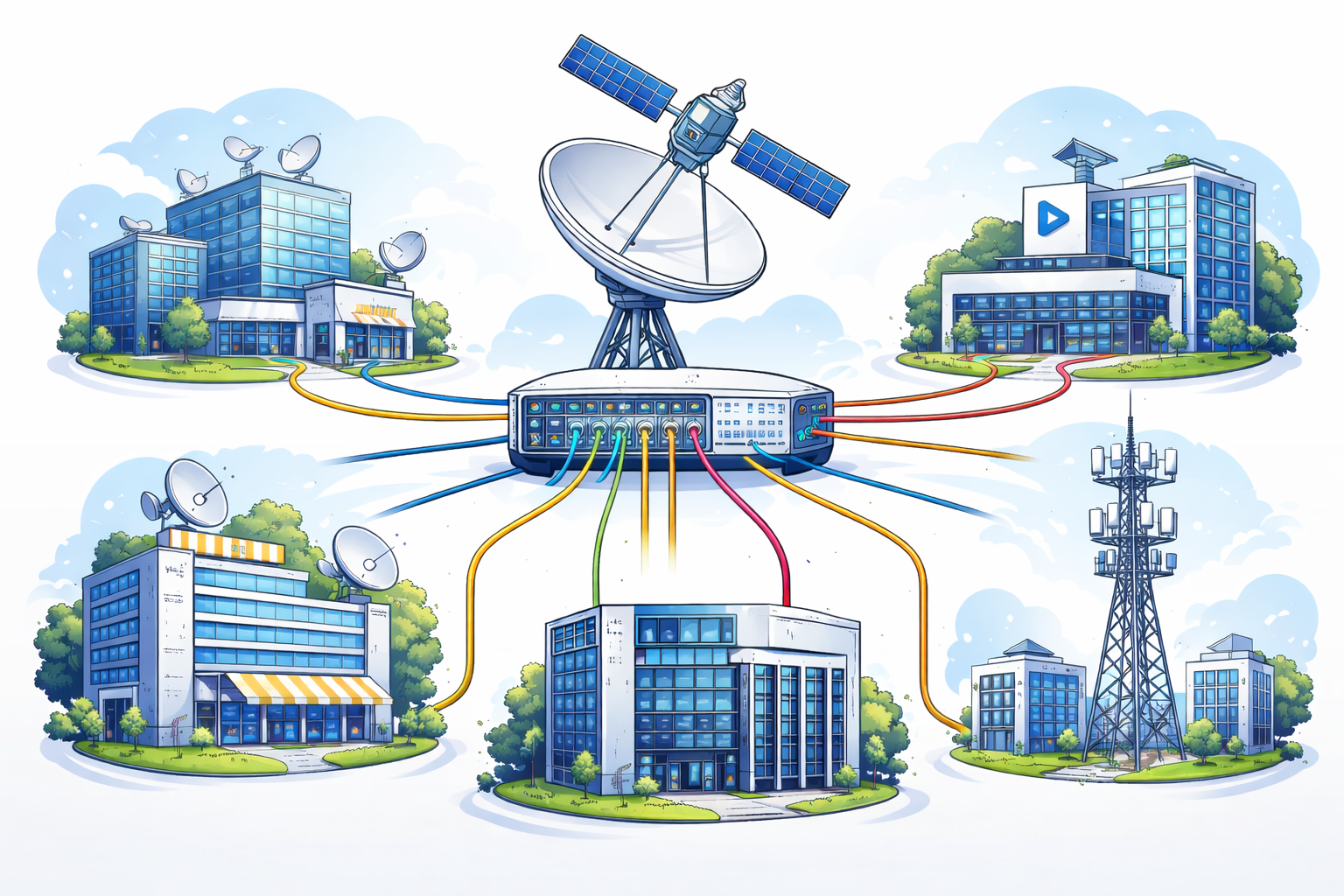
Astra 19.2°E offers wide and balanced European coverage. This allows platforms to operate across multiple markets with a unified distribution backbone.
Unified backbones reduce complexity. Reduced complexity lowers operational cost and coordination effort.
Economic Logic for Operators
Shared satellite infrastructure spreads cost across many broadcasters and platforms. This creates long term economic efficiency.
For large platforms, predictable cost structures are as important as technical performance.
Why Platforms Avoid Distribution Risk
Customer trust is fragile. Distribution failures damage brand perception quickly.
Astra 19.2°E represents a low risk option. Its long history of stable operation reduces uncertainty.
How Satellite Supports Hybrid Models
Modern platforms combine broadcast and on demand delivery. Satellite remains the stable core for linear channels.
Hybrid systems benefit from having one layer that rarely fails.
Why Migration Is Rarely Simple
Moving distribution systems affects contracts, equipment, installers, and customer behavior. These layers create inertia.
Platforms remain where infrastructure is already mature.
Reality Check
European TV platforms continue to depend on Astra 19.2°E because it minimizes operational risk while supporting large scale distribution.
Final Verdict
Final Verdict
Astra 19.2°E remains central to European TV platforms because it delivers reliability, coverage, and economic stability at scale. New technologies may add layers, but this backbone continues to support the system.
Frequently Asked Questions
| Question | Answer |
|---|---|
| Why do platforms still rely on satellite distribution? | Because it provides predictable performance and wide coverage with low operational risk. |
| Is Astra 19.2°E mainly used for legacy systems? | No. It remains actively used in modern hybrid broadcasting environments. |
| Can streaming fully replace satellite for platforms? | Not at scale. Streaming introduces different performance and reliability challenges. |
| What is the main advantage of Astra 19.2°E? | Its long term stability and established infrastructure across Europe. |