How German TV Channels Fit Into Daily Home Life in 2026
Estimated reading time: 16 minutes.
In Germany in 2026, television is no longer something families plan their day around. It is something that fits quietly into the spaces between daily routines. German TV channels remain present, but they rarely demand attention. They exist as a background layer that supports everyday life rather than interrupting it.
Quick Context
This article explores how German TV channels blend into daily home life in 2026. The focus is on real household behavior rather than technology or broadcasting strategy.
Television in the early hours
For many German households, television in the morning is not about watching. It is about presence.
News channels or familiar programs often play quietly while breakfast is prepared. The television provides sound and rhythm rather than focus. People listen more than they look.
In 2026, this behavior remains stable. Even with access to mobile devices, many families still rely on TV channels for a shared sense of the day starting. It feels less personal and more communal.
Television in the morning does not compete with work or school preparation. It adapts to it.
Morning television works best when it supports routine instead of demanding attention.
Background viewing during the day
During the afternoon, German TV channels often move further into the background. They are turned on briefly, then off again.
Some households check local news. Others leave a familiar channel running while doing household tasks. In both cases, viewing is fragmented.
This fragmented use reflects modern schedules. People work flexible hours. Children return from school at different times. Television adapts to these shifting patterns.
The key point is that TV channels are available without pressure. They are there when needed and silent when not.
Evening routines and shared moments
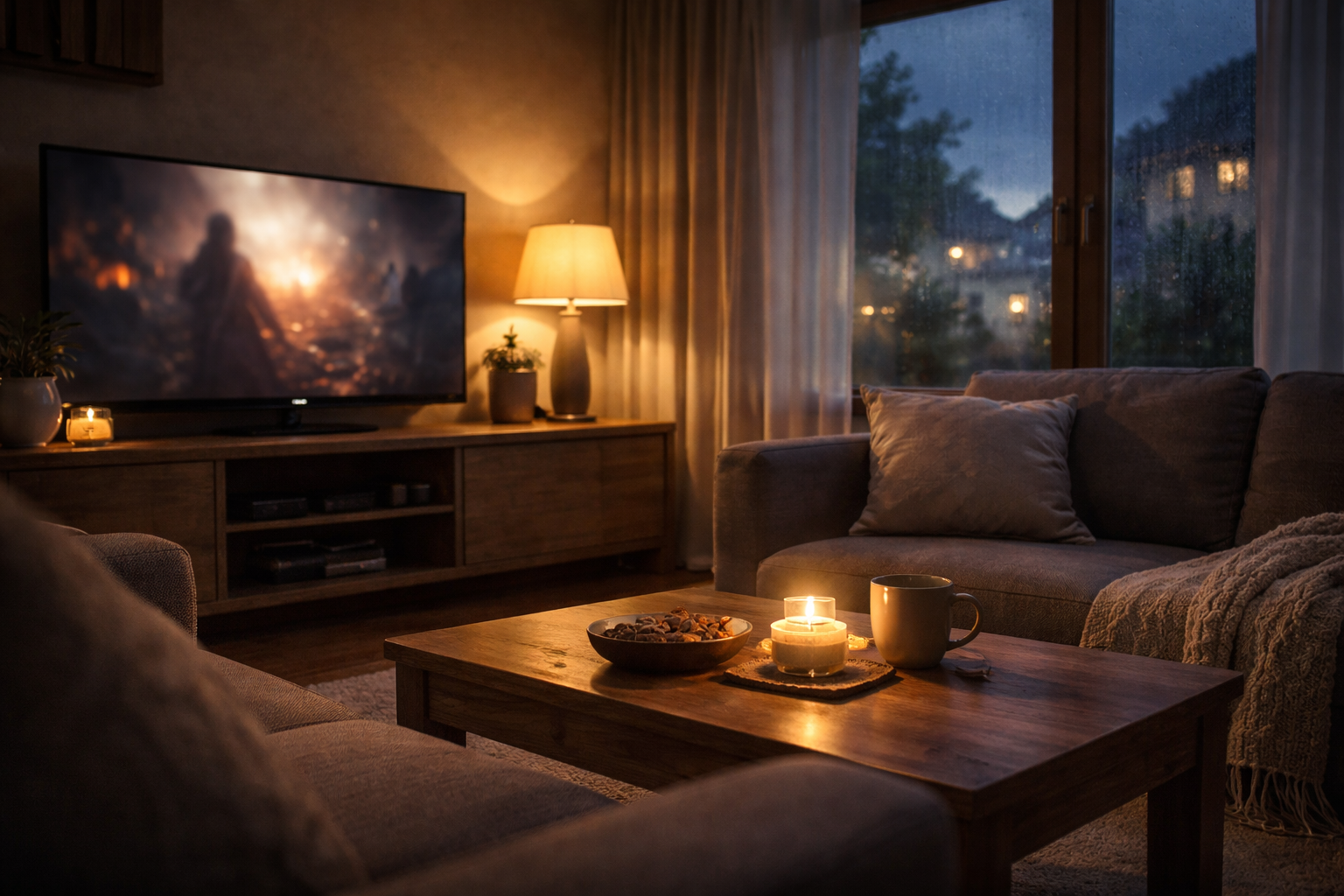
Evenings remain the most recognizable time for television use. But even here, habits have softened.
German families in 2026 rarely sit down at a fixed time for a specific program. Instead, television accompanies dinner preparation, quiet conversation, or relaxation.
When families do watch together, it is often unplanned. A familiar channel stays on. Someone stops to watch. Others join naturally.
This organic viewing replaces rigid schedules. It allows television to feel welcoming rather than controlling.
Different roles inside the same home
Inside a single household, television plays multiple roles. Parents may use TV channels to unwind. Older family members rely on them for continuity. Children experience them as shared background rather than main entertainment.
These roles rarely conflict because expectations have changed. No one expects television to satisfy everyone at the same moment.
In 2026, German households accept overlapping use. One person listens. Another watches briefly. A third ignores the screen entirely.
This flexibility reduces tension and keeps television relevant without dominating family life.
Why choice matters less than comfort
Despite the abundance of channels, choice is no longer the main attraction. Comfort is.
Families return to channels they trust. They prefer predictable formats and familiar voices. The effort of constant selection feels unnecessary.
German TV channels succeed in daily home life because they offer stability. They do not require decisions. They simply fit.
In a world full of options, familiarity becomes a feature.
Reality Check
In 2026, German TV channels remain relevant not because they compete for attention, but because they respect it. Their role is supportive, not central.
Final Verdict
Final Verdict
German TV channels fit into daily home life in 2026 by staying flexible and familiar. They follow household routines instead of shaping them. This quiet presence explains why traditional television continues to feel at home in modern German households.
Frequently Asked Questions
| Question | Answer |
|---|---|
| Do German families still watch TV daily | Yes. Television remains part of daily routines, but it is often used in short and flexible sessions. |
| Is television still important in the evening | Evenings remain important, but viewing is more relaxed and less schedule driven than before. |
| Do people prefer live TV over on demand | Many households use both, but live TV remains popular for its simplicity and familiarity. |
| Why do familiar channels matter | Familiar channels reduce decision fatigue and create a sense of comfort in daily life. |
| Will German TV channels disappear soon | No. Their role may evolve, but their integration into daily home life keeps them relevant. |